

Montessori Homeschool Curriculum
The complete guide for toddlers, preschool, and elementary.
Montessori homeschooling can feel overwhelming when you’re just getting started. This guide walks you through the ideas, curriculum, and daily rhythm behind Montessori at home, so you can understand what it looks like and decide whether it’s the right fit for your family.
Parents often wonder where to begin, what materials they need, and how to guide their child without formal training.
We can relate.
When we first started thinking about homeschooling, we knew that we wanted to raise our children the Montessori way, but we didn’t have a clue what that would look like in reality.
We dreamed big, though.
Sunlight streaming romantically through the windows in the morning.
A calm, uncluttered, wholesome space.
Mom baking bread in the mornings and relaxing in the hammock every afternoon as the kids played independently.
Dad coming home from the office to read stories and play “tickle monster.”
Weekends spent together exploring our local culture and doing all the lovely mundane things like grocery shopping and taking nature walks.
And it’s true that in many ways, this is exactly what we ended up with. Montessori can be such a beautiful journey.
It’s also true that eventually reality hit us with a million questions. Would our children thrive without all of the many and often expensive Montessori materials that were available in classrooms? Would our children be prepared, truly prepared, for all that life had to offer them, even if they did go to school eventually? And when would this feeling of overwhelm go away?
If it makes you chuckle, even a little, that two formally trained and experienced educators, one of whom even has a Master’s in Curriculum and Instruction and several certifications in Montessori, would enter homeschooling feeling a little disoriented, you’re in the right place. These feelings happen to everyone.
Of course our children were sometimes messy, unfocused, and immersed in pretend play. Of course there were days when we didn’t give any lessons at all. That’s all part of it.
We want to share with you what we’ve learned along the way and how we embraced the complete Montessori curriculum as both educators and parents who are more or less just learning along with our kids. Because you, too, are 100 percent capable of homeschooling with Montessori.
You don’t have to replicate a Montessori classroom.
You don’t need to spend hours every night planning or trying to follow someone else’s Montessori manual from their classroom days.
You DO need a clear plan — and even better, one that’s already been prepared.
The rest of this guide will walk you through exactly how Montessori homeschooling works, what a complete curriculum includes, and how real families successfully teach toddlers, preschoolers, and elementary children at home.
In This Guide
We'll walk through the key pieces of Montessori homeschooling so you can see how everything fits together in real family life. By the end, you'll have a much clearer picture of what a complete Montessori homeschool curriculum looks like and how parents can confidently teach their children without spending years figuring it all out on their own.
You'll learn:
What a Montessori homeschool curriculum actually is, and why it provides much more than a collection of activities
Who Montessori homeschooling works best for, from curious beginners to busy families teaching multiple ages
The ten interconnected subject areas that help your child build independence, confidence, and academic skills
Why you don't need an expensive classroom full of materials to create an authentic Montessori education at home
How a complete curriculum helps you know what to teach next while still following your child's unique pace and interests
What a Montessori homeschool day can look like in real family life, including flexible planning tools that keep you organized without feeling rigid
How Child of the Redwoods combines fully scripted lessons, Montessori Teaching Guides, Planning Cards, parent courses, and ongoing support to help families homeschool with confidence from toddler through elementary
Where to go next if you're ready to start building a joyful Montessori homeschool of your own
What is a Montessori Homeschool Curriculum?
Montessori homeschooling is an approach to home education based on Maria Montessori's philosophy of child led learning, hands on experiences, and careful observation. Rather than moving every child through the same lessons at the same pace, Montessori encourages you to meet your child where they are and gently guide their growth over time.
A Montessori homeschool curriculum provides the structure behind that philosophy. It organizes lessons, materials, and subject areas into a thoughtful developmental progression so you always know what to introduce next while still following your child's interests and readiness.
A complete Montessori homeschool curriculum brings all of these pieces together into one connected system. Instead of gathering activities from dozens of websites or wondering whether you've missed an important skill, you have a clear roadmap that grows alongside your child from the toddler years through elementary.
The best Montessori curricula do more than tell you what to teach. They also help you understand how to teach with confidence. At Child of the Redwoods, that means fully scripted lesson presentations, Montessori Teaching Guides organized into six developmental levels, printable materials, flexible Planning Cards, and parent courses that help you learn the Montessori method as you teach. Every part of the curriculum works together so you can spend less time planning and more time enjoying learning with your child.
In other words, Montessori works best when the philosophy is paired with a carefully prepared curriculum that supports your child's development and supports you as their guide.
What this looks like in a Montessori classroom is a carefully prepared, multi age environment filled with beautiful, hands on materials. The teacher, called a guide, observes each child closely, introduces new lessons when they're ready, and gives children the freedom to choose meaningful work throughout the day. This is what Maria Montessori meant by "following the child."
At home, the heart of Montessori stays the same. The setting simply becomes your family life.
Your role is to observe your child, notice what captures their attention, and introduce lessons that build naturally from one concept to the next. Instead of rushing to keep up with a grade level, you follow your child's unique pace while trusting that meaningful learning happens through curiosity, repetition, and real experiences.
As your child works with concrete materials, you'll introduce rich vocabulary, meaningful conversations, and hands on exploration long before abstract ideas become part of their daily learning. Over time, those concrete experiences become the foundation for reading, writing, mathematics, science, and creative thinking.
Montessori families aren't trying to raise children who simply memorize facts. They're nurturing children who are independent, curious, thoughtful, and eager to learn.
That's why a complete curriculum matters so much. Observation tells you when your child is ready. A thoughtfully organized curriculum helps you know what to present next.
At Child of the Redwoods, the curriculum is organized into six developmental levels that grow with your child from toddler through elementary. Within each level, you'll find fully scripted lesson presentations across the Montessori subject areas, along with Montessori Teaching Guides that show how concepts build over time. Rather than creating your own scope and sequence or wondering whether you've skipped an important lesson, you can confidently move forward one presentation at a time while still following your child's interests.
If you have more than one child, that's wonderful. Montessori was designed for mixed age learning, and our monthly interdisciplinary Theme Packs allow siblings to explore the same topic together while each child continues progressing through their own developmental level in the foundational curriculum. One child might be counting golden beads while another is writing stories about the same ocean theme. Everyone learns together without everyone doing exactly the same work.
Your Montessori homeschool will probably begin with a small shelf holding a few carefully chosen materials you already own. Over time, you might add a few classic Montessori materials, bake bread together in the kitchen, observe insects in the backyard, read books under a shady tree, or discover physics while building ramps at the playground.
Every family's homeschool looks a little different. That's exactly how it should be.
For toddlers, preschoolers, and elementary children, a complete Montessori homeschool curriculum provides:
➡ A clear developmental roadmap, so you're never wondering what to teach next.
➡ Fully scripted lessons and printable materials that help you begin with confidence instead of starting from scratch.
➡ Flexible Planning Cards and Teaching Guides that bring structure without rigid schedules.
➡ Interdisciplinary themes that connect reading, writing, mathematics, science, geography, art, and Practical Life through topics your child naturally loves.
➡ The freedom to slow down, repeat lessons, or follow a new interest while still making steady progress.
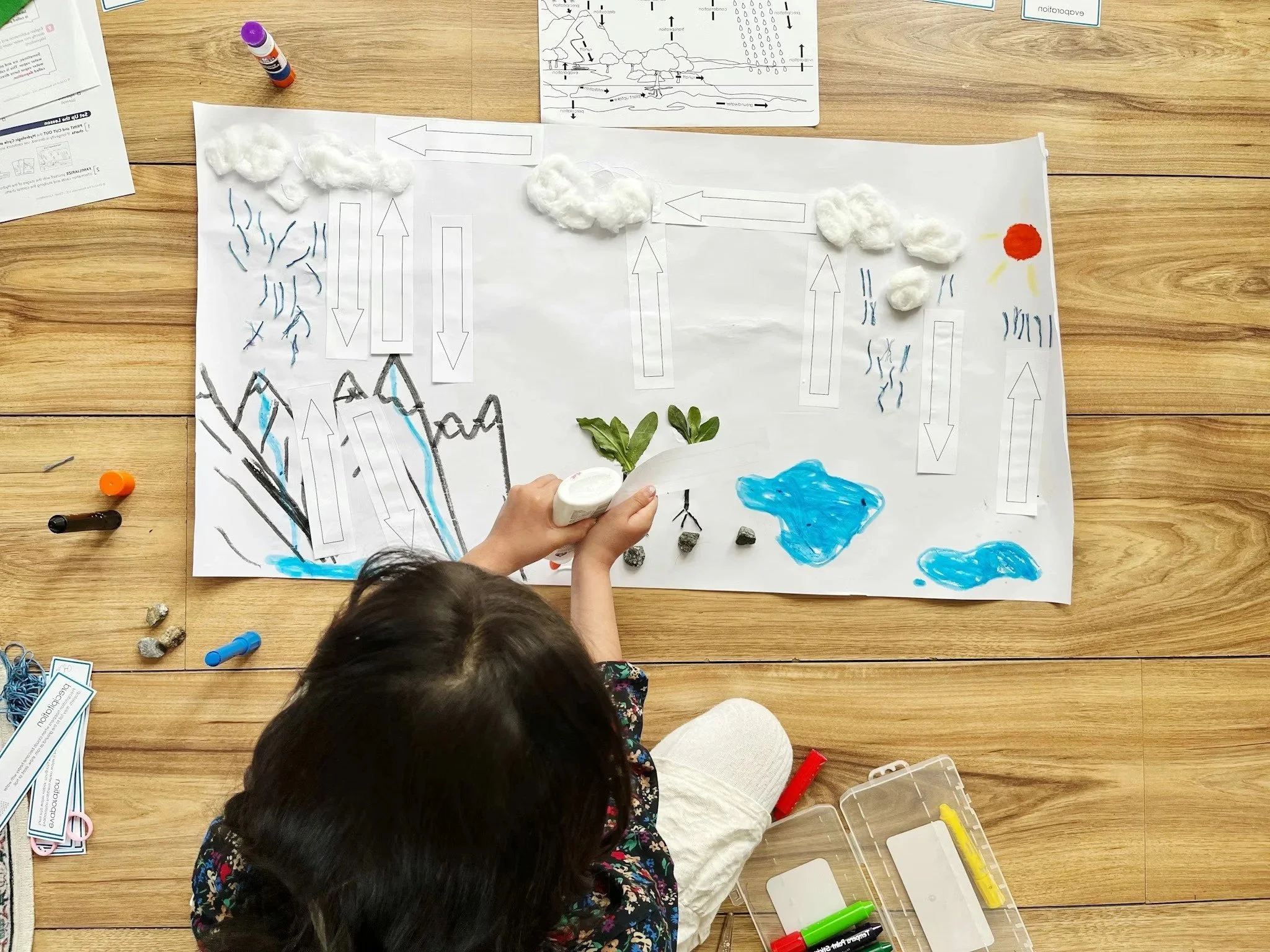
Learning about the water cycle. Photo shared by a Child of the Redwoods member family.
With Child of the Redwoods, you’re not left with a pile of random TPT printables or wondering if you’ve missed something important. You’re given fully scripted lessons, organized by age and ability.
You’ll have immediately printable materials that reflect the authentic Montessori method so you can start using them with your child today.
Choosing to homeschool with Montessori doesn’t require a massive budget or a curated Instagram-worthy space. Your family is ready for this reality right now. It can be your new obsession — with a roadmap to guide you.
Who This Is For
"I don't even know where to start."
You've been reading books, saving Instagram posts, and searching Pinterest for ideas, but somehow you feel more overwhelmed than when you began. You don't need more information. You need a clear place to begin. That's why every member has access to fully scripted lessons, Montessori Teaching Guides, and parent courses that show you exactly how everything fits together.
"I barely have time to get through the day."
Between work, meals, laundry, errands, and everything else life brings, lesson planning often falls to the bottom of the list. Our monthly Theme Packs, weekly Planning Cards, printable materials, and Welcome Videos help you spend less time preparing and more time actually enjoying learning with your child.
"I'm teaching more than one child."
Your children don't all need separate curriculums or completely different school days. Montessori was designed for mixed age learning. Our developmental levels and interdisciplinary Theme Packs make it easy for siblings to learn alongside one another while each child progresses at their own pace.
"I'm worried I'll do Montessori wrong."
You don't need to become a Montessori expert before you begin. You can learn as you teach. With parent courses, Office Hours, a supportive private community, and guidance from experienced Montessori educators, you'll always have someone to turn to when questions come up.
"I want Montessori, but I don't have an unlimited budget."
You don't need shelves filled with expensive materials to create a meaningful Montessori education. We help families use everyday household items, thoughtfully choose the materials that matter most, and build their collection gradually over time.
This curriculum was created for real families living real lives. Not families with spotless homeschool rooms, endless free time, or teaching degrees.
If you've been wondering whether Montessori homeschooling could actually work for your family, you might see yourself here.
Wherever you're starting, you're welcome here.
You don't have to figure everything out before you begin. Do you have a child who is ready to learn? Are you willing to grow beside them? Then you just need a roadmap that helps you know what comes next.
If you're brand new and wondering where to begin, read our step-by-step guide to starting Montessori at home.
What Subjects Are Covered in Montessori?
One of the biggest challenges of homeschooling is making sure you’re covering “enough” without turning your days into a marathon of disconnected lessons. The beauty of Montessori is that learning is interdisciplinary.
That means your child will naturally explore multiple skills and subjects within a single, well-chosen activity. It ensures that you are offering a well-rounded and high quality education.
A complete Montessori homeschool curriculum includes lessons across multiple interconnected subject areas. In the Child of the Redwoods curriculum, these subjects aren't taught in isolation. They build on one another through a carefully sequenced progression of foundational lessons and interdisciplinary monthly themes.
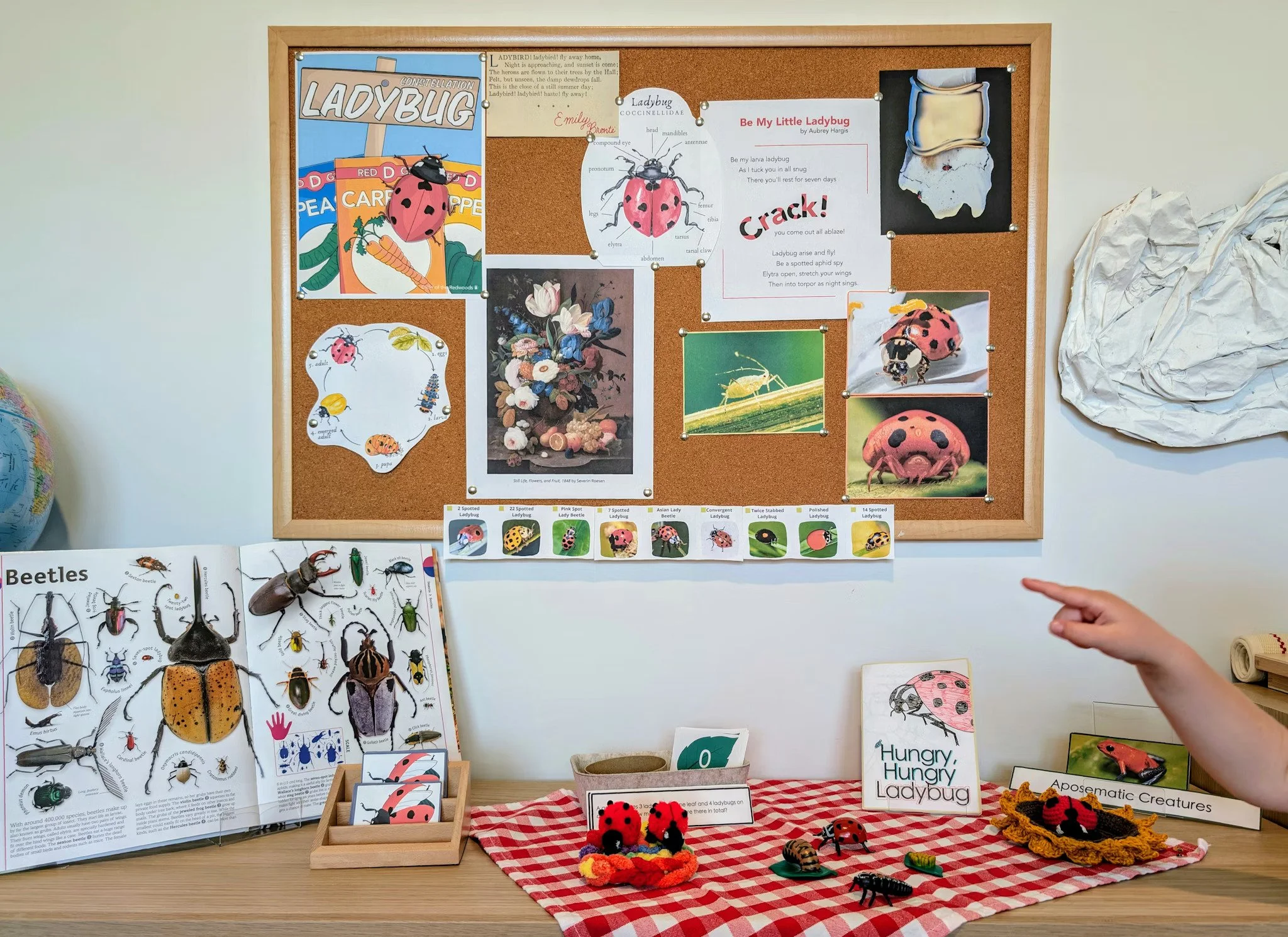
An interdisciplinary theme: Ladybugs. Photo shared by a Child of the Redwoods member.
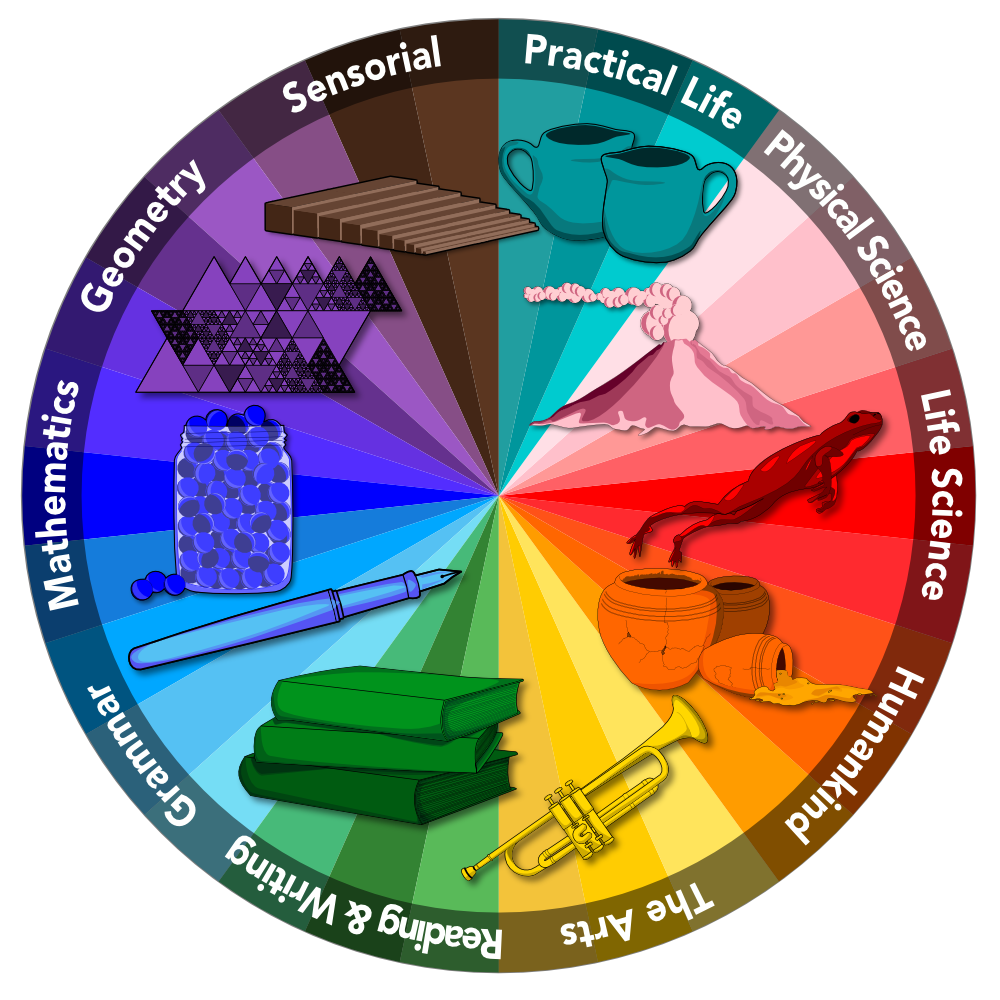
In the Child of the Redwoods Curriculum, every lesson is drawn from one or more of these 10 core subject areas
Practical Life
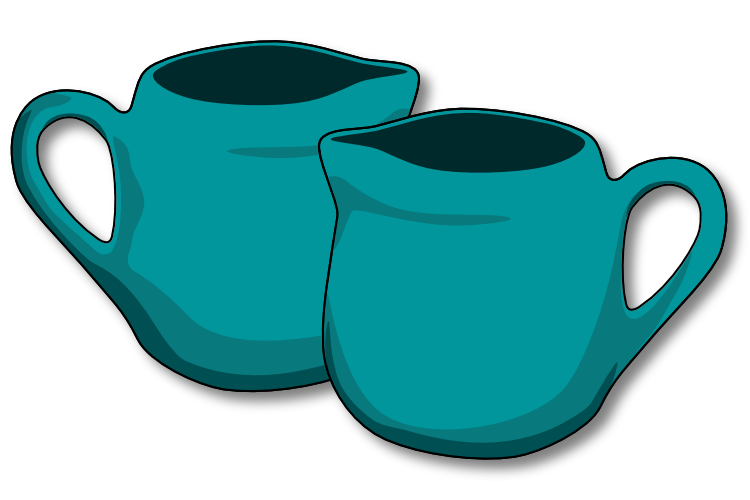
Practical Life activities help children develop independence, coordination, and a sense of responsibility. Through real-world tasks such as pouring, cleaning, preparing food, and caring for their environment, children learn to manage their movements and follow purposeful sequences. These experiences build concentration, confidence, and the foundational skills needed for all future learning.
Sensorial
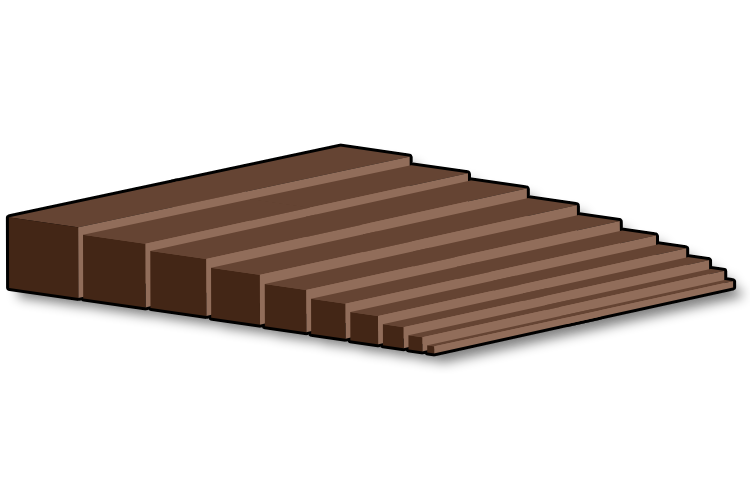
Sensorial activities help your child refine their senses by exploring differences in size, shape, color, texture, sound, and smell. By sorting, grading, and comparing materials, children begin to recognize patterns and relationships in the world around them. These experiences prepare the mind for later work in mathematics, language, and scientific observation.
Physical Science

Physical Science helps children explore how the physical world works. Through simple experiments and demonstrations, they begin to investigate concepts such as matter, energy, motion, and cause and effect. These early explorations lay the groundwork for deeper scientific reasoning as children grow.
Life Science

Life Science introduces children to the study of living things and their environments. Through observation, classification, and hands-on exploration, they learn about plants, animals, habitats, and the basic needs of life. These early experiences foster curiosity, respect for nature, and an understanding of how living systems are connected.
Humankind
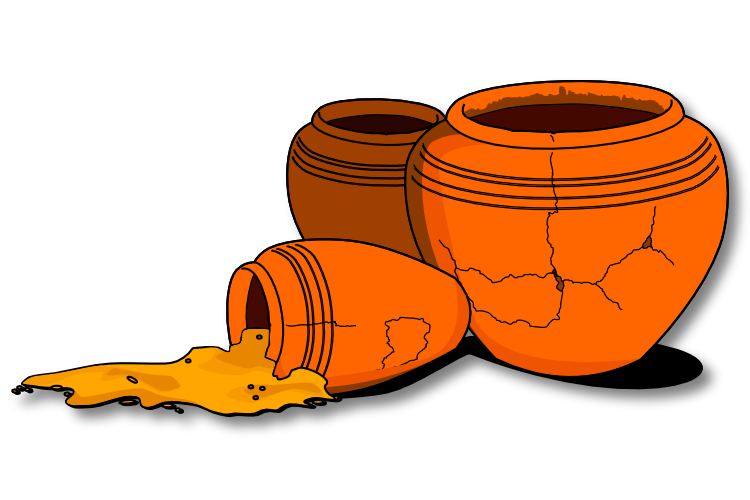
Humankind studies help children understand the story of people across time and place. Lessons in history, geography, and culture explore how humans live, work, and cooperate in different parts of the world. Children begin to see how communities function and how their own lives connect to the broader human story.
The Arts

The Arts provide space for creativity, self-expression, and cultural exploration. Children experiment with drawing, painting, music, movement, and dramatic play as they learn to communicate ideas and emotions in different ways. Artistic work also strengthens focus, fine motor skills, and the ability to observe details in the world around them.
Reading & Writing

Reading and Writing lessons support the development of language from sounds to written expression. Children begin with phonemic awareness and gradually build skills in phonics, spelling, handwriting, and creative writing. Over time, they learn to read with understanding and use written language to communicate their thoughts and ideas.
Grammar

Grammar lessons help children understand how language works. Using Montessori grammar symbols and hands-on activities, children explore parts of speech, sentence structure, and the patterns that shape written and spoken language. This work strengthens both reading comprehension and writing clarity.
Mathematics

Mathematics lessons introduce number concepts through hands-on materials that make abstract ideas visible and concrete. Children explore counting, place value, addition, subtraction, multiplication, fractions, and more through carefully sequenced activities. These materials help children build a deep understanding of numbers rather than memorizing procedures.
Geometry

Geometry helps children explore shapes, patterns, and spatial relationships. Through activities that involve tracing, constructing, and analyzing forms, children begin to understand how shapes exist in both mathematics and the physical world. Geometry also supports visual reasoning and connects naturally with art, design, and architecture.
Weekly Montessori Planning Cards then help you turn that big picture into a simple weekly rhythm, so you always know what to present next without feeling locked into a rigid schedule.
Most homeschooling parents worry they're accidentally skipping an important skill or introducing something before their child is ready.
We are parents, after all - busy and distracted at times and with children who often have strong opinions on what they are interested in learning about.
Using a scope and sequence keeps lessons always in focus. It also helps your child progress through the curriculum steadily over time, even if your days look different from week to week.
This is how we provide families a complete, connected Montessori roadmap. When you're ready to teach, you can simply open your Teaching Guide, check your Planning Cards, or search the Lesson Explorer to find exactly the lesson you need. Everything works together to help you spend less time wondering what comes next and more time enjoying learning with your child.
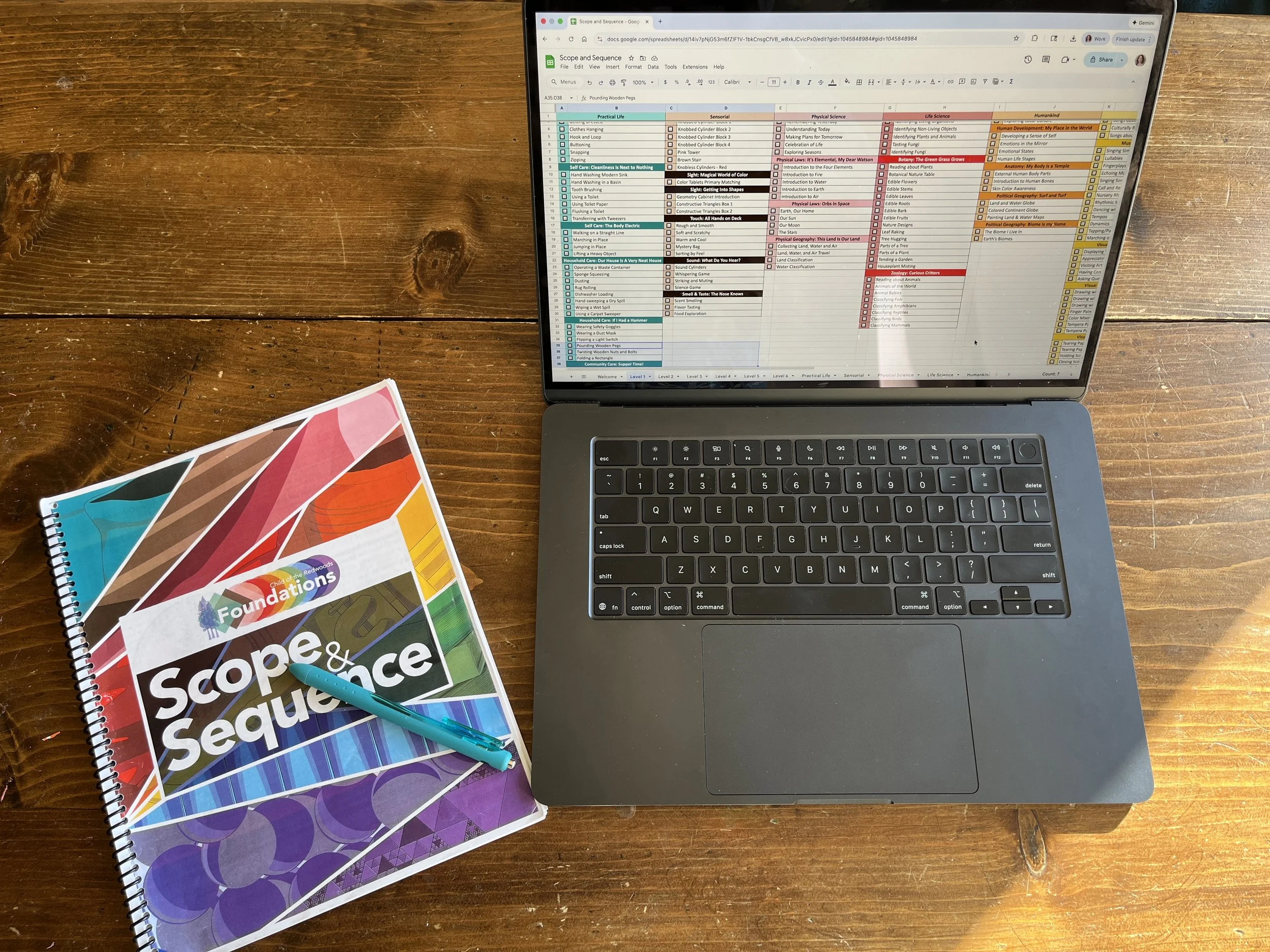
Together, these subject areas form a complete Montessori education that develops independence, academic skills, creativity, and critical thinking over time. Rather than asking you to decide what to teach in each subject every day, the curriculum organizes these lessons into a logical progression that grows alongside your child.
Each subject is organized into six developmental levels that make up our Montessori Teaching Guides and scope and sequence. Children move through the lessons according to readiness, not age, so it's completely normal to be working at different levels in different subjects.
Your scope and sequence also provides documentation of which lessons you have given your child.
Do You Need Montessori Materials to Homeschool?
One of the most common questions parents ask when exploring Montessori homeschooling is whether they need to purchase expensive classroom materials.
The short answer is no.
In fact, one of the biggest misconceptions about Montessori is that you have to recreate an entire classroom before you can begin.
Authentic Montessori materials are beautifully designed learning tools, and many families enjoy adding them to their homes over time. But they are not required in order to follow Montessori principles or teach a complete Montessori homeschool curriculum.
Many Montessori lessons can be introduced using simple household items. A pitcher and glass become a pouring activity. A set of measuring cups becomes a lesson in volume and fractions. Leaves from the backyard become a botany study.
The Child of the Redwoods curriculum is designed with this flexibility in mind. Many lessons use common household supplies, nature finds, books from your local library, and simple art materials you may already have on hand.
Over time, some families choose to add classic Montessori materials like the Pink Tower, Golden Beads, or Moveable Alphabet. Others gradually build their collection while relying on printable materials, hands on activities, and carefully chosen DIY alternatives. Every lesson in our Teaching Guides clearly identifies whether a material is essential, optional, easy to make yourself, or can be substituted with something you already own.
What matters most is not owning every material. What matters is knowing why you're presenting each lesson and what comes next. A clear developmental progression gives every material, whether it's a handmade counting game or a classic set of Golden Beads, a meaningful place within your child's learning journey.
As your confidence grows, you can add Montessori materials gradually, knowing exactly when they'll be useful instead of buying everything up front.
What a Montessori Homeschool Day Looks Like
Creating a rhythm and routine that works perfectly for your own family will take a bit of trial and error at first, but once you find the right fit, it’s golden! There is no single “right” way to do Montessori at home if you are following your child, giving the lessons, and respecting their natural instincts to learn and grow. So if you’re worried that you’re already “doing it wrong”, try to give yourself some grace. You’re learning. That’s exactly what you’re supposed to do.
That said, most parents rightfully want to start the year strong, and our curriculum is fully designed to guide your days without boxing you in.
Every monthly Theme Pack begins with a Welcome Video where we walk you through the month, highlight the most important lessons, and share tips before you ever teach your first activity.
You get both step by step Foundational lessons that build core skills over time and a comprehensive Theme Library that bring those skills to life through engaging topics your whole family can enjoy together. But also, friend? You also get the flexibility to adjust for your child’s mood and energy level on any given day.
At the center of our system is the Montessori Planning Card System. Think of it like a menu of lessons from which you can use to organize your week.
Instead of planning from scratch every Sunday night, you're simply choosing from lessons that have already been thoughtfully organized for you.
Each card contains a short checklist of lessons.
You can sort them by subject area, skill level, or interest.
You choose which cards to present based on your child's readiness, recent observations, and current interests.

Many parents wonder what a typical Montessori homeschool routine actually looks like. If your child suddenly becomes fascinated by volcanoes, butterflies, or outer space, you can also use the Lesson Explorer to quickly find additional lessons that match those interests without abandoning your overall plan.
While every family develops its own rhythm, most Montessori days include a morning work cycle, hands-on lessons, outdoor exploration, and plenty of time for independent discovery.
Sample Homeschool Routine #1 – Ages 2–4
Early Morning: Slow Start & Independence (about 7:00–8:00)
Your child wakes up and eases into the day with independent play. When you come together, you make breakfast side by side. Your child pours their own milk, helps clean up, and works through getting dressed with support as needed. Nothing is rushed. This is practical life, connection, and confidence building all wrapped together.
Connection & Warm-Up (about 8:00–8:30)
You read aloud from favorite books and the current theme, sing songs, and move your bodies together. This is language, rhythm, and joy — a gentle bridge into the work period.
Work Cycle: Focused Work & Choice (about 8:30–10:00)
Your child settles into a long, uninterrupted work period. This includes:
Free play while you quietly prepare and observe
One or two short presentations, like the Pink Tower or paper snipping
Meaningful practical life work your child chooses, such as watering plants or preparing snack
There’s no need to think of these as separate “lessons.” They’re simply opportunities offered within one sustained block of concentration and independence.
Outdoor Exploration & Follow-Up (about 10:00–11:00)
You head outside for a walk, notice something interesting together, and linger as long as curiosity lasts. Back at home, you casually extend that interest through conversation, art, or counting — not because it’s scheduled, but because the moment invites it. You jot down ideas or search up a lesson in the Lesson Explorer and print materials for another day while your child plays nearby.
Transition to the Rest of the Day (after 11:00)
The formal morning naturally winds down. Lunch, rest, free play, and afternoon plans unfold without pressure. Learning continues organically, but the “work day” is complete.
Sample Homeschool Routine #2 – Ages 5–7
Early Morning: Independence & Daily Care (about 7:00–8:00)
Your child wakes up independently and plays in their room. When you come together, you make breakfast side by side. Your child serves themselves, cleans up afterward, and gets fully dressed on their own.
Connection & Warm-Up (about 8:00–8:30)
You read aloud from books connected to the monthly theme and other requested books. You sing favorite songs and have a short dance party together.
Work Cycle: Concentration, Lessons, & Choice (about 8:30–10:00)
Your child enters a long, focused work period that includes:
Constructing with Legos while you quietly review your Montessori Planning Cards and choose one or two presentations for the morning
A Parts of a Sea Star lesson using 4-part cards, including matching, reading, and discussion
Making a Parts of a Sea Star booklet with writing and coloring
Practical life work, such as noticing dry soil and watering specific plants
Preparing and serving snack, followed by shared clean-up and playful language through a rhyming poem
All of this happens within one sustained block of focus, movement, and independence.
Outdoor Exploration (about 10:00–10:30)
You take a neighborhood walk led by your child, who observes, names, and explains plants along the way.
Focused Follow-Up & Planning (about 10:30–11:00)
You return home for a brief Math Minute using an addition word problem and Montessori beads. Your child then reads silently while you research botany lessons inspired by the morning’s interests and prepare materials for the next day.
Transition to the Rest of the Day (after 11:00)
The structured morning closes. Lunch, outdoor play, social time, and errands unfold naturally, with lessons offered later only when your child shows genuine interest.
Sample Homeschool Routine #3 – Ages 8–9
Early Morning: Independence & Contribution (about 7:00–7:30)
Your child wakes up independently and prepares a simple breakfast for themselves. They also boil water for your tea, choosing to do something kind for you. While eating together, you talk through the day’s plans, and your child asks for extra time to work on their superhero comic strip.
Connection & Theme Exploration (about 8:00–8:30)
You settle in for a read-aloud from your current theme, Prehistoric Life. You pause to discuss herbivorous and carnivorous dinosaurs and how paleontologists determine what different species ate.
Work Cycle, Part 1: Preparation, Math, & Creative Flow (about 8:30–10:15)
Your child sketches a dinosaur in their science notebook while you review Montessori Planning Cards and prepare materials. You then present a Montessori multiplication lesson using the Stamp Game. Your child records their work, challenges themselves with larger numbers, and applies the math to a superhero-themed word problem.
This flows directly into a long, uninterrupted creative work period on their superhero comic strip, including planning, drawing, writing dialogue, researching reference images, and coloring with attention to detail.
Snack & Social Language (about 10:15–10:30)
Your child prepares snack, serves you as well, and you eat together while brainstorming silly superhero sidekicks.
Outdoor Exploration & Scientific Curiosity (about 10:30–11:15)
You head outside for a nature walk. Your child sketches an unusual rock formation in their Nature Journal and wonders whether it could be a fossil. Back at home, you search the Lesson Explorer for 'fossils' and gather materials for a sediment layering experiment to do another day.
Work Cycle, Part 2: Completion & Reflection (about 11:15–12:00)
Your child returns to their comic strip to finish panels and design a title page. Together, you review the morning’s work — math, art, and nature study — and decide what to place in their portfolio and what to keep accessible for ongoing projects.
Transition to the Rest of the Day (after 12:00)
The morning work cycle ends. You move into lunch preparation and an afternoon that stays flexible: outdoor play, a library visit, or continuing creative work, all without pressure.
By now you may be starting to imagine what Montessori homeschooling could look like in your own home.
Every family develops a rhythm that fits their children, their work schedules, and their energy throughout the day.
The goal isn't to copy someone else's schedule. It's to build a rhythm that fits your family, using planning tools that give you confidence while leaving plenty of room for curiosity and real life.
If you’d like help discovering what kind of homeschool rhythm might work best for your family, you can take our Homeschool Routine Quiz to see how Montessori learning could fit naturally into your days.
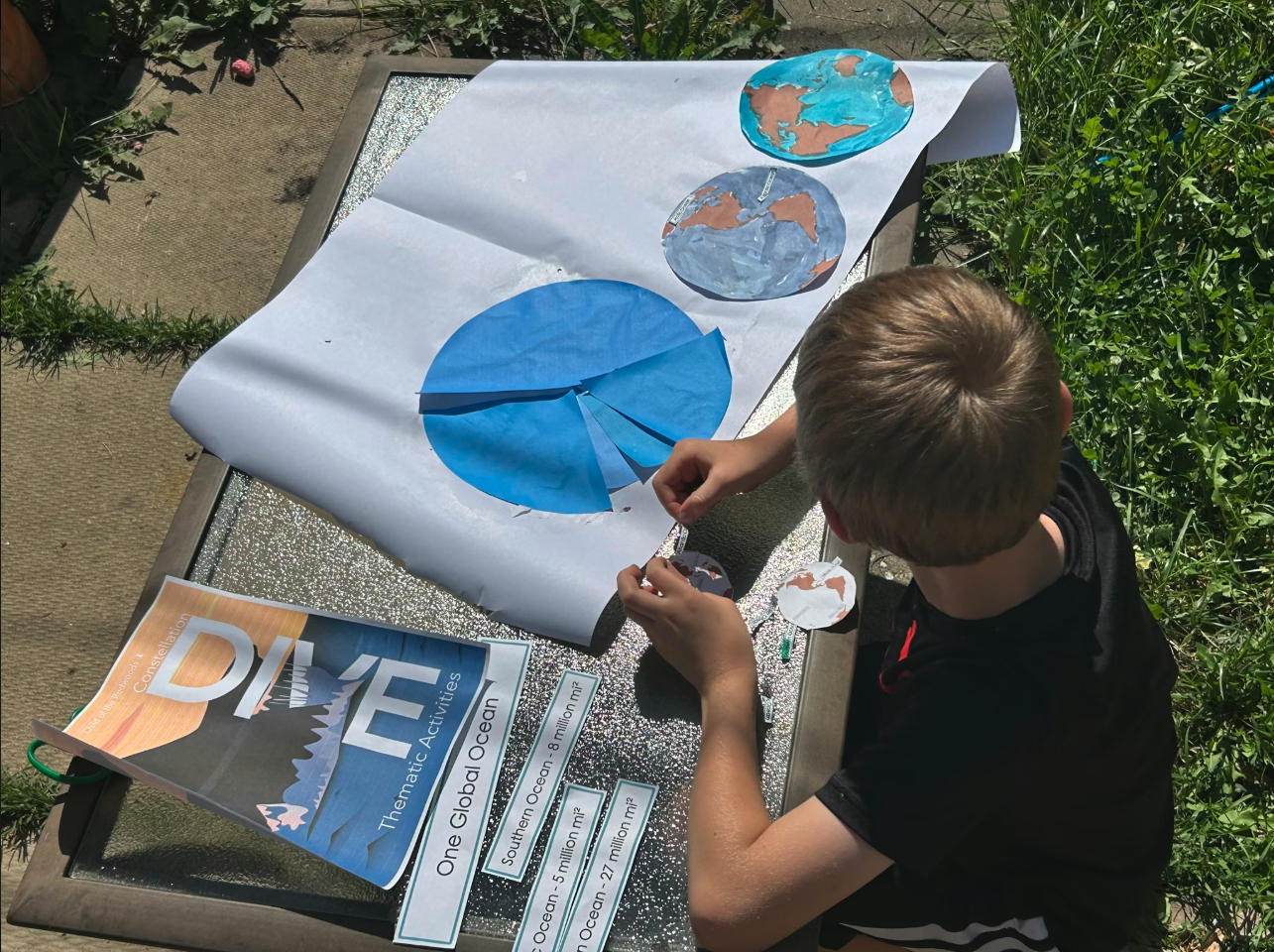
Making a map and pie chart of the oceans. Photo shared by a member of the Child of the Redwoods family.
Child of the Redwoods Makes Routines Easier
The Child of the Redwoods curriculum makes these routines simpler by combining Montessori Planning Cards, fully scripted lessons, Teaching Guides, and Lesson Explorer into one connected system. Instead of wondering what to teach next, you simply choose the next lesson and begin.
The beauty of Montessori is that once your child is engaged, they can work for long stretches without interruption. The curriculum gives you everything you need to prepare the environment, introduce a lesson, and then step back while your child practices and explores independently.
Every monthly Theme Pack even begins with a Welcome Video that walks you through the month before you start teaching, so you can begin with confidence instead of uncertainty.
You don’t need to stress about “covering it all” every day because the lesson plans and planning cards ensure that over the course of weeks and months, your child gets a rich, balanced education without daily pressure or burnout.
Observe
Choose
Present
Follow-Up
Why Parents Love the Child of the Redwoods Curriculum
Parents have been teaching Montessori lessons at home ever since Maria Montessori first published The Montessori Method in 1912. What draws families to this approach is not just the academic results, but the kind of people children become as they grow.
Montessori children learn to take responsibility for their work, concentrate deeply on meaningful tasks, and approach the world with curiosity and confidence. Over time, families often notice changes that reach far beyond academics.
Children begin to:
• take initiative without being asked
• solve problems independently
• stay focused on challenging work
• treat others and the environment with respect
• develop a genuine love of learning
For many families, these changes are the reason Montessori becomes not just an educational method, but a way of life.
Over the years we’ve worked with thousands of homeschooling families who wanted exactly this kind of Montessori experience at home. Many loved the philosophy but felt overwhelmed trying to piece together lessons, materials, and planning on their own.
That’s why we created the Child of the Redwoods Curriculum.
It brings together Montessori philosophy, a clear developmental progression, and practical tools that help parents know exactly what to teach next while still allowing children to follow their natural interests…along with parent courses, printable materials, planning tools, and ongoing support that help families confidently homeschool from toddler through elementary.
Instead of piecing together random activities or searching endlessly for ideas online, families receive a complete Montessori roadmap that supports learning across all ten subject areas. Families can search thousands of lessons by topic, skill, subject, or Montessori material using Lesson Explorer, making it easy to follow a child's new interests without losing sight of the overall curriculum.
When we ask our members what they love most about the program, the feedback is overwhelmingly emotional. They have a newly emerged confidence that they have never experienced before. Not only do they understand how to embrace the Montessori way of life, they are relaxing into the silly, playful everyday experiences children learn the most from.
They tell us they're less stressed because the fully scripted lessons, printable materials, and Planning Cards make teaching feel simple instead of overwhelming.
They’re no longer trolling the internet for ideas or downloading random bundles of unrelated printables wondering how to use them effectively. Everything is clearly explained while leaving room for spontaneous, joyful energy at home.
Here’s how one of our members described their personal transformation:
“My son loves his toy garbage trucks and trash cans. One day, I watched him play with them alone for at least three hours. Before beginning to play, I gave him some glass vase gems. Within play, thanks to knowing about not interrupting, I watched him count, sort, scoop, pour, and fill the gems. These are all part of the scope and sequence for Pre-K and K, and I didn't have to plan a thing. Talking about amazing!?!!!”
- Sadiya, a Child of the Redwoods parent
That's what a clear Montessori roadmap makes possible. Instead of feeling responsible for inventing every lesson, you begin recognizing learning that's already happening all around you. The curriculum gives those moments direction, helping you know when to step in, when to step back, and what to offer next.
This is exactly what we want for you, too.
Common Questions
-
No. While authentic Montessori materials are beautiful and effective, they’re not required to get started. Many of our lessons include DIY or budget-friendly alternatives, and our printable materials are included in your membership. You can begin with simple, household items and add classic materials over time if you choose.
Every lesson in our Montessori Teaching Guides also identifies whether a material is essential, optional, easy to make yourself, or can be substituted with something you already own.
If you’d like a deeper explanation, you can read about how to do Montessori here. -
Most families spend 1–3 hours on formal Montessori work, depending on age. The rest of the day is filled with life skills, play, reading, and outdoor exploration, all of which are still “school” in the Montessori sense. Weekly Planning Cards make it easy to choose lessons that fit the time and energy you have that day, whether your work cycle lasts forty five minutes or several hours.
-
No. Our scope and sequence is designed to meet or exceed typical academic expectations, while also nurturing skills like independence, problem-solving, and critical thinking.
Our curriculum also provides a complete scope and sequence across all ten Montessori subject areas, so you can feel confident your child is receiving a rich, well-rounded education.
Montessori children often develop deep conceptual understanding that serves them well if they transition to other learning environments. -
Absolutely. You can enter the curriculum at any age between 2-9, or even a little beyond if your child has never done Montessori elementary. The lessons are adaptable, and the Planning Card System helps you quickly match work to your child’s current level, not just their age.
Because the curriculum is organized into six developmental levels, children can begin where they're ready and even work at different levels across different subject areas. -
That’s the exciting thing about having so many fully scripted lessons at your disposal. They walk you through exactly what to say and do.
You'll also have self paced Foundations courses that help you understand the Montessori method while you're teaching, plus Office Hours and a private community where you can ask questions whenever you need support.
You don’t need to be certified as a teacher or Montessori guide to homeschool with success. -
You don't have to create your own Montessori sequence. Our Teaching Guides, Planning Cards, and Lesson Explorer work together to show you what you've already presented, what comes next, and how every lesson connects within your child's overall development.
You’ve got this. Try out a lesson today.


Get Started Today
If there’s one thing we want you to know about Montessori homeschooling, it’s this: you are 100% capable of it. You don't need a perfect homeschool room, an expensive collection of Montessori materials, or years of teacher training before you begin. Anyone can learn how to give these brilliant lessons and help their children grow in a joyful, respectful way.
The key is having a complete Montessori system that shows you what to teach, how to teach it, and what comes next while still giving your child the freedom to learn at their own pace. You have what it takes, and the Child of the Redwoods Curriculum is here to give you that confidence through fully scripted lessons, Montessori Teaching Guides, planning materials, parent courses, and ongoing support whenever you need it.
A Montessori homeschool curriculum should give you clarity, flexibility, and confidence as your child grows, and you can start today.
Teach your first lesson tomorrow. Watch your child bloom with the magic of Montessori!
Choose your plan and enroll today. You'll get immediate access to your Montessori Teaching Guides, Lesson Explorer, fully scripted lessons, printable materials, the Child of the Redwoods app, parent courses, and your first monthly Theme Pack so you can confidently teach your very first lesson tomorrow.