

Montessori By Age
Your child is changing every day. The way they think, learn, and relate to the world is changing, too.
Montessori is designed to support each stage of development.
Explore what Montessori looks like for ages 2 through 9, understand the Montessori planes of development, and learn how to meet your child where they are today.
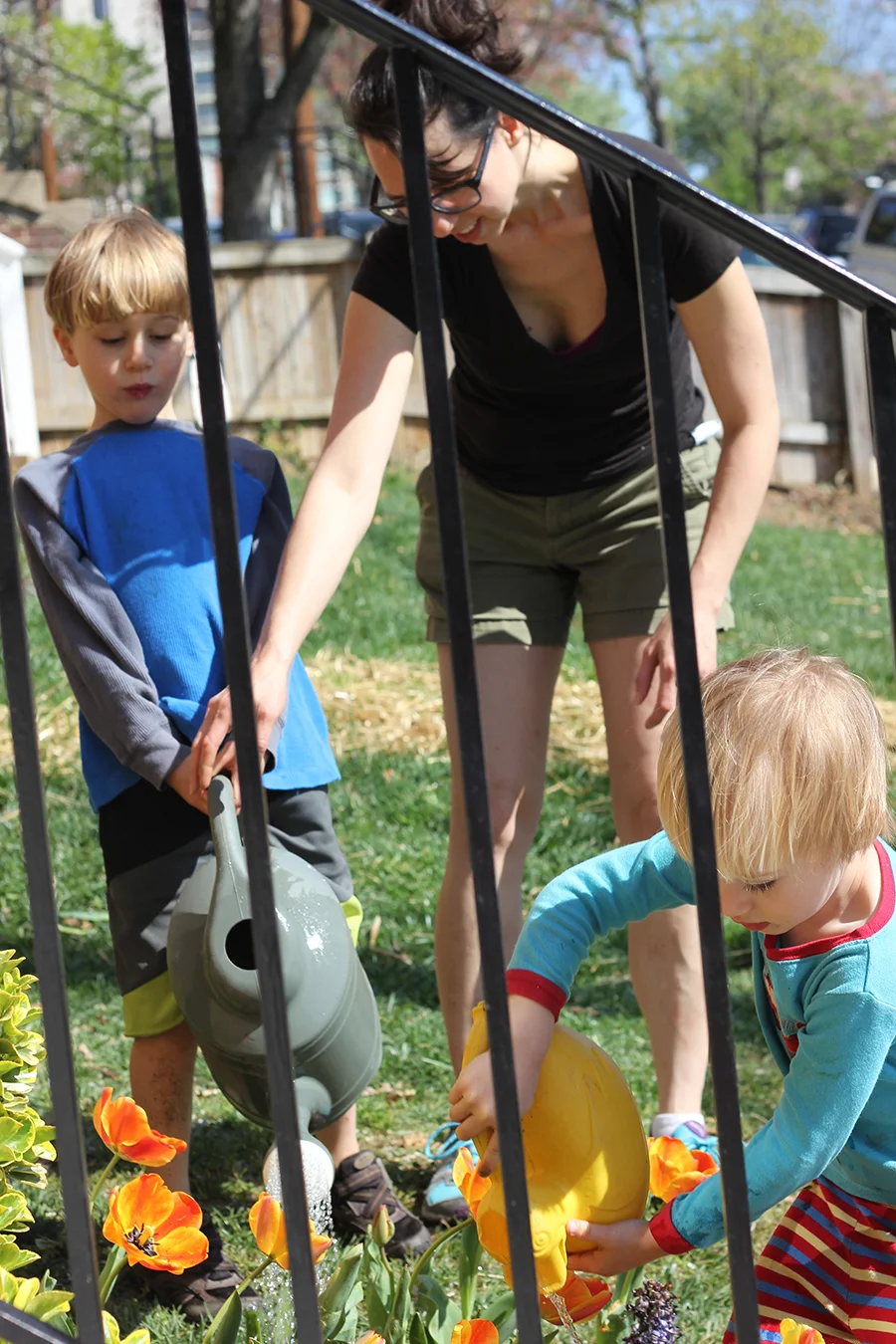
Every stage of childhood is full of exciting changes. One day your two year old insists on pouring their own milk. Before long, your six year old is asking questions about volcanoes, ancient civilizations, or the stars. Then, almost before you know it, your nine year old is chasing big ideas with confidence and curiosity.
Unexpectedly, your child’s learning path is not linear. Development happens in leaps, bounds, regressions, plateus, and steady progress: any of these is possible at any point in time.
A Montessori education was designed around these natural developmental stages and intended to be flexible.
Instead of expecting every child to learn the same things at the same time, Montessori is designed to meet your child where they are, offering purposeful work and meaningful experiences that match their current skill level.
If you are just beginning your Montessori homeschool journey, you probably have a lot of questions! This guide will help you understand what Montessori looks like from ages 2 through 9 and help you find the right place to begin.
Why Montessori Looks Different at Every Age
Understanding the Planes of Development
One of the reasons Montessori feels so different from traditional education is that it begins with how children naturally learn and grow.
After years of observing children, Dr. Maria Montessori recognized that learning happens in distinct stages, which she called the Planes of Development.
As children move from one plane to the next, their behaviors and needs change.
While every child develops at their own pace, these broad stages help us understand the ways in which children are learning to understand their world.
For families with children ages 2 through 9, there are two important planes to understand.

The First Plane of Development
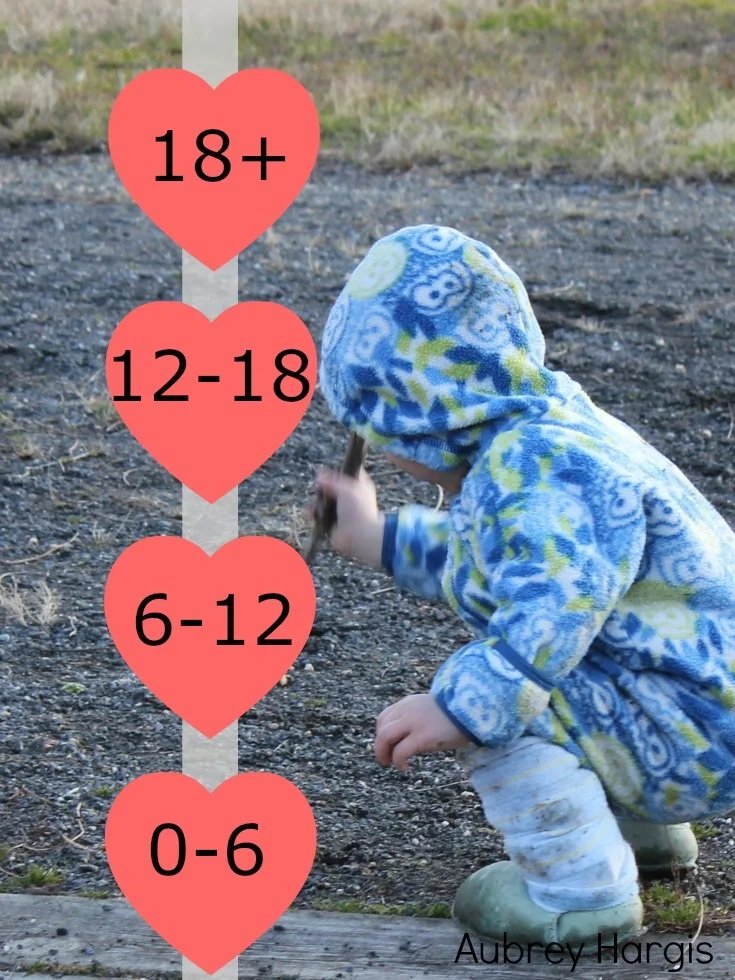
Ages 0 Through 6: "What is this?"
During the first plane, children are learning through their senses.
They want to touch, pour, build, move, carry, sort, and explore.
Their minds eagerly absorb new vocabulary, order, and the routines of everyday life. Hands on activities aren't just enjoyable during these years. They're how your child understands the world.
This is why Montessori environments for young children are filled with purposeful work instead of worksheets.
Practical life, sensorial materials, early language, number sense, art, music, and the sciences all help build the foundation for future learning.
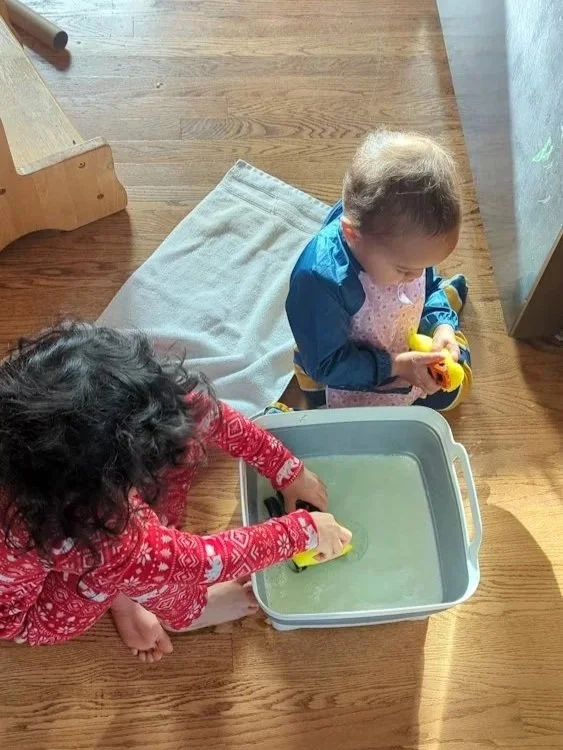
Washing toys, a practical life activity. Shared by a Child of the Redwoods family.
The Second Plane of Development
Ages 6 Through 9: "Why?"
Around age six, many children begin an exciting transformation.
Instead of constantly asking, "What is this?" they begin asking, "Why?" and "How does this work?"
Their thinking becomes more abstract and they don’t need as many concrete experiences in order to make the leap to understanding things that they cannot see, touch, hear, smell, or taste.
They begin deepening their knowledge of subject matter, such as from reading and writing to word study, spelling, and grammar — or from math operations to decimals and geometry.
Elementary children especially love collaboration, and their projects grow bigger and often even messier, too!
You may notice your child spending days researching a single topic, creating enormous timelines across the floor, or becoming passionately interested in fairness, rules, and how society works.
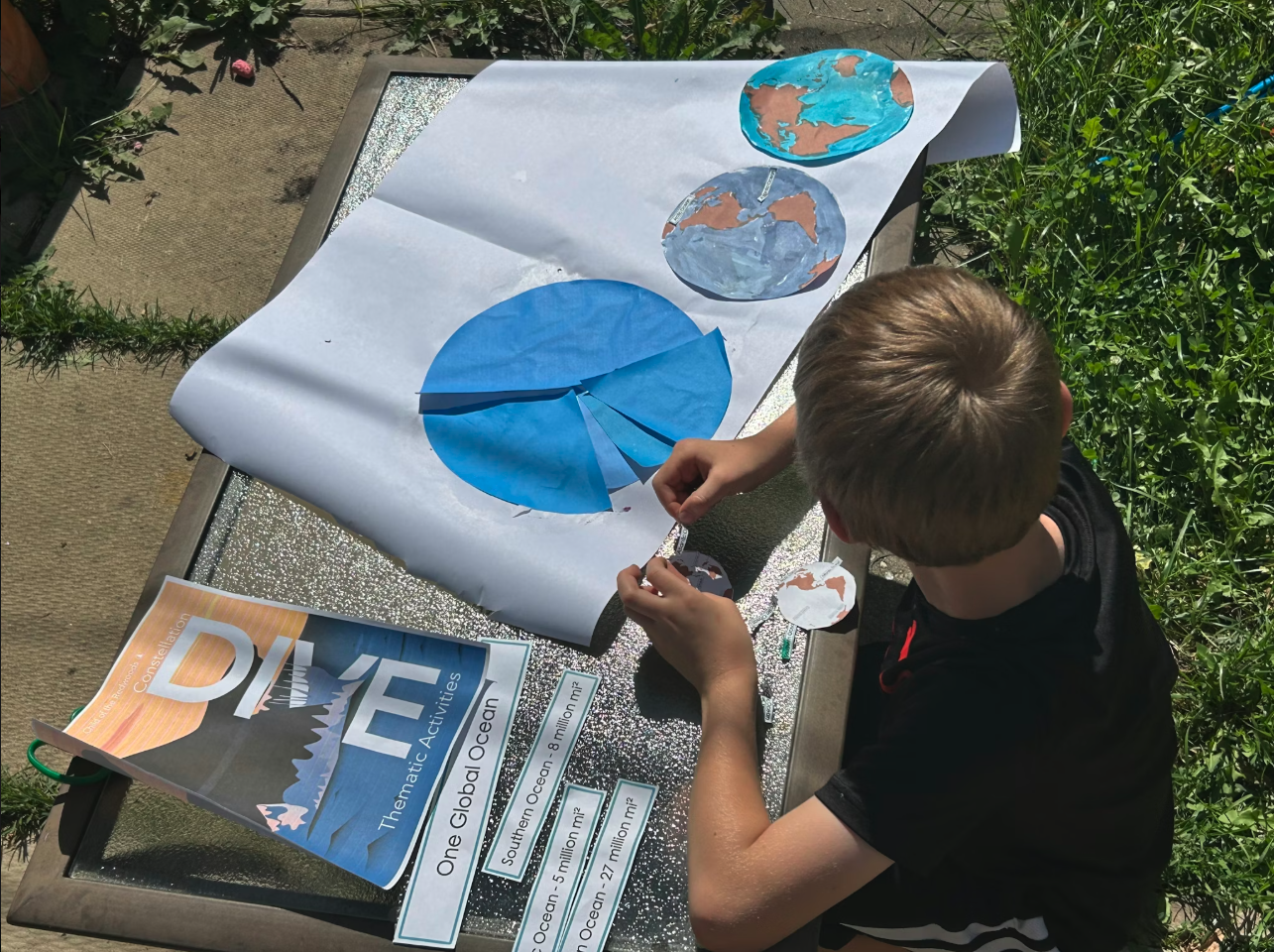
How big are the world’s oceans? Shared by a Child of the Redwoods family.
This is why Montessori elementary looks so different from Montessori preschool. Children haven't simply become "older" or more skilled; they've now entered a new plane of development, and therefore, the Montessori lessons and method changes as well.
Montessori for Ages 2 Through 5
Hands on discoveries at home and in nature.
The preschool years are filled with enormous growth, and you can see your child changing almost day by day!
Your child is learning how to care for themselves, communicate their ideas, solve everyday problems, and explore the world with all of their senses.
This is a time for movement, practical life, sensorial work, language, early mathematics, science, art, music, and joyful discovery.
Rather than rushing into academics, a Montessori education at this age builds the strong foundation that makes later learning feel natural and exciting.
Montessori for Your 2 Year Old
Explore how movement and practical life help your toddler build confidence.
Montessori for Your 3 Year Old
See how concentration and purposeful work lay the foundation for joyful learning.
Montessori for Your 4 Year Old
Discover how your child begins making connections in the world around them.

Montessori for Your 5 Year Old
Learn how Montessori helps your child become an eager, capable learner.
Montessori for Ages 6 Through 9
Expanding views of the world and their place in it.
Around age six, children enter an exciting new stage of development: the second plane. You may notice a transitional period around age 5.5, or your child may not show signs of this change until some time after age 6.
Either timeline is completely normal.
Your child begins wondering not only what something is, but why it works the way it does.
Their imagination expands. They start seeking bigger projects, longer lessons, and a deeper understanding of the whole universe.
This is Montessori elementary: a time for partnership and collaboration with your child.
Montessori for Your 6 Year Old
See how deeper investigations lead your child toward exploring big ideas.

Montessori for Your 7 Year Old
Discover how to help your child take greater ownership of their learning.

Montessori for Your 8 Year Old
Find out how to work with your child as they beome a thoughtful learning partner.
Montessori for Your 9 Year Old
Explore how to support your child’s new sense of self and well being.

The age guides are a wonderful place to begin because they help you understand your child's stage of development.
Choosing a curriculum level is a little different.
While age is an important clue, in Montessori, we believe that you should always follow your child’s developmentalreadiness, not their birth year. Some children are ready for new challenges a little earlier. Others benefit from spending more time building confidence with foundational skills. Both are completely normal.
Some families choose Montessori because their children have special needs or developmental differences. This is because we already offer a scope and sequence that is meant to help you guide your child in the way that they need you to.
With the Montessori method, modifications and extensions are the norm for all children. There is no pressure to rush through the lessons or any set of expectations for the end of every year that your child must meet at a certain age.
That's why our age guides and our curriculum levels aren't exactly the same thing.
The age guides help you understand your child and give you an idea of what level may be a good fit if you progress steadily through the sequence.
The curriculum levels help you choose the actual lessons that best match where your child is today.
Your child may progress quickly at some times and then stay in the next level for a while. This is exactly the way it’s supposed to be.
Choosing the Right Place to Begin
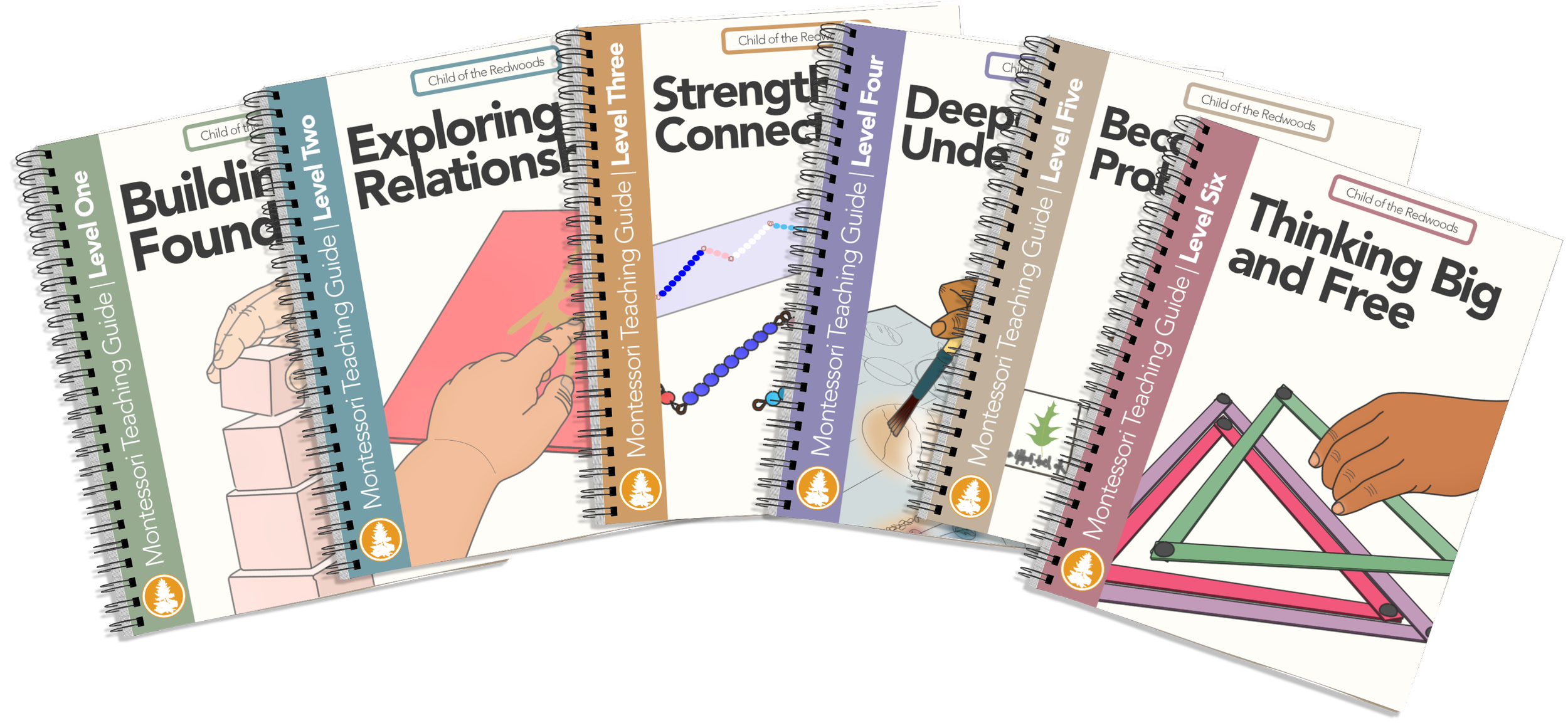
A Montessori Journey That Grows With Your Child
One of the biggest challenges parents face is wondering what to teach next.
That's why we created the Child of the Redwoods Montessori Curriculum.
Our complete homeschool curriculum grows alongside your child from the toddler years through elementary, giving you confidence at every stage.
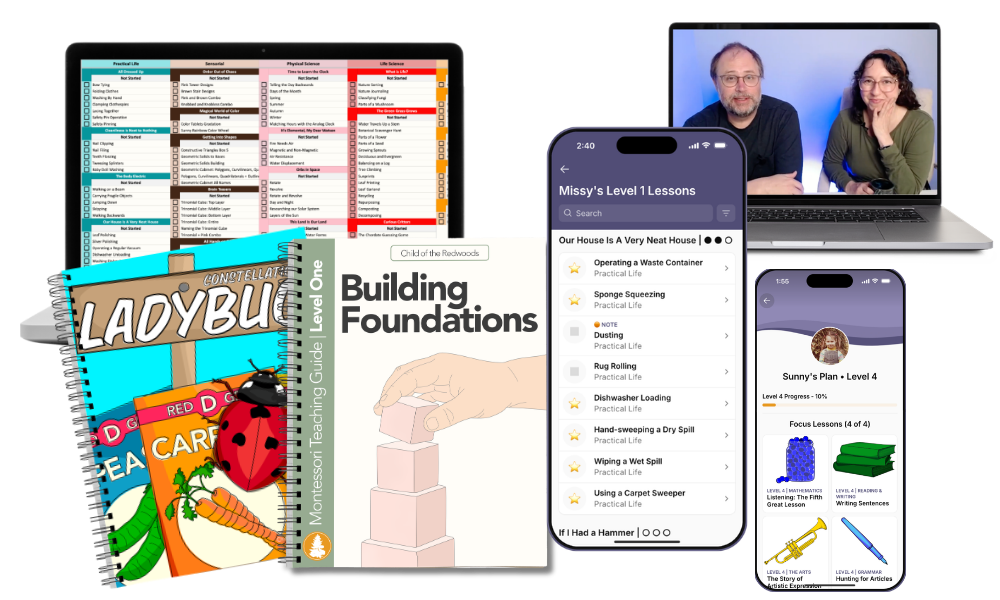
You'll find thoughtfully sequenced lessons, interdisciplinary learning, hands on activities, parent guidance, and flexible plans that make Montessori approachable, even if you've never taught before.
Instead of piecing together resources year after year, you'll have a clear path that supports your child's development from one stage to the next.

Here are some questions parents often ask us about the age of their child when considering choosing Montessori for their families.
Frequently Asked Questions
-
You can begin Montessori at almost any age.
Many families start during the toddler or preschool years, but it's never too late to begin. You can learn the Montessori method that is approapriate for your child’s plane of development.
It is designed to meet your child where they are, whether they're two years old and learning practical life skills or eight years old and eager to investigate big ideas.
The best time to start is when you're ready.
-
Yes. One of the defining features of Montessori is that the method and the lessons change alongside your child’s development.
Young children learn through hands on exploration, movement, and practical life experiences.
As children grow, they begin thinking more abstractly, asking deeper questions, and making connections across subjects.
The Montessori curriculum evolves to support each new stage of development. -
The Planes of Development are Dr. Maria Montessori's framework for understanding how children grow.
Each plane represents a distinct stage of childhood with its own ways of thinking, learning, and interacting with the world.
For children ages 2 through 9, the first two planes are especially important.
During the first plane, children learn primarily through their senses and hands on experiences. Around age six, many children begin transitioning into the second plane, where they become more interested in ideas, relationships, and understanding why things work the way they do.
-
The easiest place to start is with your child's current age.
If your child is between birthdays or seems to be transitioning into a new stage, you may find it helpful to read both guides. Every child develops differently, and in Montessori, we follow your child’s developmental readiness rather than a strict timeline.
-
Absolutely.
Many families begin Montessori after age six and find that it sparks a new excitement for learning.
Elementary Montessori builds on children's growing curiosity by encouraging research, creativity, collaboration, and big, self-initiated projects. You don't have to start in preschool for your child to benefit from Montessori.
-
The age guides on this site are designed to help you understand what children typically experience at different stages of development.
Our Montessori curriculum, however, is organized by readiness and skill level, not by your child’s birth year. While many children begin a level around a certain age, every child develops differently.
We encourage you to use the age guides as a starting point, then choose the curriculum level that best matches your child's current stage of learning.
If your child is brand new to Montessori, you may want to start out at an easier level at first while you both are learning how the Montessori method works.
For example, when Aubrey taught Kindergarten to public school students who had never experienced Montessori or been to school before, she started with the Level 1 activities, and it was a great fit. The students who were ready to move ahead did so when they were ready. -
That's completely normal.
Children develop at different rates, and no two learning journeys look exactly alike. Some children are ready for more advanced challenges earlier, while others benefit from spending more time building foundational skills. In Montessori, we honor these differences by allowing children to grow at their own pace.
-
As your child grows, the curriculum supports every new stage in their development.
In the early years, you'll find practical life, sensorial activities, language, mathematics, science, art, and music presented through hands on exploration.
As children enter elementary, learning expands into interdisciplinary studies, research projects, history, geography, grammar, biology, literature, and increasingly abstract mathematics and geometry, all while continuing to nurture curiosity and independence.
-
The Child of the Redwoods Montessori Curriculum provides a complete homeschool journey from toddlerhood through elementary.
Each level includes thoughtfully written and clearly sequenced lessons, Montessori Planning Cards™, and parent guidance that help you feel confident teaching at home.
We offer two comprehensive self-paced courses: one to help you understand your child in the first plane (Primary), and the other to help you understand your second plane learner (Elementary).
As your child grows, the curriculum grows with them, so you always know what comes next.
Every Stage is Wonderful.
There isn't one perfect age to begin Montessori.
Whether your child is two, five, or nine, today is a wonderful time to start meeting them where they are.
You’re here to help your child develop confidence, curiosity, independence, and a lifelong love of learning, one beautiful stage at a time.
Explore the Child of the Redwoods Montessori Curriculum and discover how joyful homeschooling can be.