

Montessori Homeschooling for Beginners
Your first steps with confidence.
Starting Montessori homeschooling can feel like stepping into a whole new world. This guide will help you understand what Montessori looks like in real family life, what you actually need to begin, and how to take your first steps with confidence.
If you’re here, chances are you’ve fallen in love with the idea of Montessori, but you’re still wondering how it actually works in a real home.
Rest assured — you don’t need a perfect schedule, all the materials and shelves, or years of experience to give your child a Montessori education at home.
We’ve been there.
It was a big decision to start calling ourselves “homeschoolers”. Until then, I felt very much like a stay at home mom playing hooky from her job. I dreaded the day I would need to leave my kids and go back full time, even though I had a very satisfying career and loved what I did (teaching!). It felt selfish, this desire to make pancakes in the morning, and sit in the sunshine with my coffee while watching the children play.
The idea of homeschooling came slowly.
A friend of mine planted the seed. And she was a primary Montessori guide, no less! I remember her three year old busily putting together a puzzle as I mulled over the right time to send our kids to school. When she said she was thinking of just not sending them at all but instead homeschooling them, something lifted in my heart.
I wondered: could we do that, too?
I didn’t have the answer for a long time, but when the day came, I felt the tranformation as physically as though a weight was lifted from my shoulders! Homeschooling! Such a radical, nonconformist idea! This path was full of unknowns, and yet…we stepped in and opened ourselves to a new way of being as a family.
Right away, I knew I wanted to fully embrace the Montessori method at home. I wanted to give my children a magical childhood. Their little hands were seeking so much stimulation; their little bodies constantly moving; their minds constantly questioning. It was a big responsibility for sure.
And yet… it also felt a little unweildy. What if I messed it up?
Your decision to homeschool with Montessori may have come to you a little differently, but if you’re feeling some nerves, I want to validate this for you. I had taught for over a decade, had a Master’s in Curriculum & Instruction, and I still was comparing my home to the most beautiful Montessori classrooms online!
If you're looking for a Montessori homeschool program for beginners, you may be hoping someone will simply tell you what to teach first and reassure you that you're on the right track. That's exactly what I wanted, too. The good news is that Montessori doesn't require you to become an expert overnight. It asks you to take one thoughtful step at a time.
Starting Montessori can feel hard.
And it’s not because you’re unqualified. It’s because these years feel so precious and you know that the adult your child becomes will be formed by them. You’re trying to make a decision about what to teach and how to go about it when a thousand voices are competing for attention.
You need a clear step, a rhythm that you can count on, and support that helps you keep going when the day gets wobbly and everyone is tired.
I’m about to lay out for you a plan for you to to begin learning about Montessori homeschooling so you can take those first few steps with a lot less uncertainty. It doesn’t require special Montessori materials. And remember that no one is perfect. Like all parents, you are allowed to make mistakes and learn from them. We’ll build your confidence one week at a time together.
In this guide, I'll help you understand what Montessori homeschooling looks like in real family life, why it feels overwhelming at first, and how to begin with a clear path instead of trying to figure everything out on your own.
If one of your biggest questions right now is how to create a homeschool rhythm that works for your family, you may enjoy taking the Perfect Homeschool Routine Quiz before you continue. It will help you identify a starting point that fits your family's season of life
Is Montessori Homeschooling Right for Your Family?
One of the first concerns I hear most often isn't about Montessori materials or lesson plans.
It's much more nuanced.
"How do I know if Montessori homeschooling is the right fit for my family?"
I understand why parents ask this.
Choosing to homeschool is a significant decision. Choosing Montessori can feel even bigger because, for many of us, it looks so different from the way we were educated. We wonder whether we'll be able to provide everything our children need. We worry that we're signing up for something we don't fully understand.
And we probably have certain expectations about what a “good education” looks and feels like based on what we experienced ourselves as a child.
Over the years, I've found that Montessori homeschooling tends to be a wonderful fit for families who value simplicity, relationships, and child-led learning over racing through a checklist. These are often parents who want their children to love learning for learning’s sake…for life, not a grade level! They want education to feel connected to everyday experiences in the real world, and they hope their home can be a nurturing, comfortable place where questions are welcomed and interests are validated.
Homeschoolers encounter a lot of cultural stereotyping because it is vastly misunderstood. In my experience, homeschooling families work really, really hard to accomplish their goal of providing their children an excellent education. And in general? We do a pretty amazing job!
However, that doesn't mean every day feels peaceful and easy.
Far from it!
Montessori homes are full of spilled water, unfinished projects, changing plans, and children who sometimes become so fascinated by one idea that everything else waits until tomorrow. Lessons tend to be prioritized over the dishes. Laundry piles up because you all got a bad virus for a couple weeks and no one had the energy to deal with it.
Real learning is happening here. It's also real family life.
Many parents begin looking for a Montessori homeschool program for beginners because they're hoping someone will hand them a clear path. They love the idea of child-led learning, but they don't want to spend every evening wondering what to teach next or piecing together lessons from dozens of different sources.
I don't blame them!
I myself spent hours and hours on the internet sourcing the right lessons to teach, the right activities to present at the right time, and at the library looking for the right books. And that was back in 2011 when I started blogging about Montessori!
A decade and then some later, and the internet is stuffed full of so many Montessori activities, crafts, and books for kids it’s no wonder modern parents are constantly in decision paralysis.
If you’re considering this path, please know that I have no doubts that you will be great at implementing a great lessson plan! I suspect, however, that you’ve already begun to experience the mental load of planning and prioritizing.
That's one of the biggest misconceptions about Montessori. People often imagine that following your child means there is no plan at all, that children simply wander from one interest to another while parents somehow keep everything organized in their heads.
Montessori guides using the authentic Montessori method know that there is so much more to it than this.
Children benefit from freedom and exploring their own interests, but they also benefit from thoughtful preparation. They thrive when there is room to explore within a carefully designed progression of skills and concepts. I often describe Montessori as a child-led homeschool curriculum with structure because those two ideas belong together. Your child brings a natural curiosity about their world and the readiness to learn new skills. You provide the gentle guidance, meaningful lessons, and the sequence.
Without the structure, children become restless for new experiences.
Without the freedom, children feel constrained by their need to explore.
This is also why Montessori works so beautifully for so many first time homeschool parents.
You don't have to know everything before you begin.
You don't have to become a Montessori expert before your first lesson.
Doing Montessori at home is feasible for anyone who is ready to just start teaching, and with each lesson you give, you’ll get better and better. Everything can be learned over time.
If that sounds like the kind of homeschool life you're hoping for, then Montessori may be exactly what you've been looking for.
And if you're wondering how that path actually unfolds from one day to the next, that's where I'd love to take you next.
The Real Work of Becoming a Montessori Guide
One of the biggest surprises you'll discover as you begin Montessori homeschooling is that the hardest part isn't teaching reading or mathematics.
The real work is learning to see your child differently.
You’ve probably heard that becoming a Montessori guide requires a year of training at an accredited Teacher Education Program culminating in a certificate. If you were on your way to become a classroom teacher at a Montessori school, this is exactly what I’d recommend.
But is it an ideal path for a Montessori homeschooling parent? I don’t think so.
Like many of us, you were probably educated in a system built around grade levels, textbooks, and carefully planned timelines. There was an expectation that children would move through school in the same order and at roughly the same pace. If someone fell behind, the goal was to catch up. If someone moved ahead, the goal was to keep them challenged.
Montessori educators are trained differently, and it begins with a different question. Instead of wondering, "What should a four year old be learning?" you begin asking, "What is my child ready to learn today?"
And this changes everything.
It changes the way you think about education. It changes the way you plan your homeschool. And over time, it changes the way you see yourself.
If you've been searching for how to start Montessori homeschooling, you may have assumed your biggest challenge would be learning the lessons. You might feel like you need to understand every Montessori material, memorize every presentation, and create a beautiful learning environment before you can confidently homeschool your child.
Those worries are completely understandable, and it may have led you to the conundrum of how to obtain such an intense, expensive certificate from a proper Montessori training center before homeschooling your child.
But this is based on a misunderstanding. You do not need to become an expert before you begin teaching Montessori lesssons. Any highly involved, loving parent can teach these lessons.
The transformation occurs when you become an astute observer of your child.
That may sound simple, but observation is one of the most valuable skills you'll develop as a homeschool parent. As you begin paying close attention to your child, you'll notice things that no lesson checklist could ever tell you. You'll see which topics are most joyful, which ones encourage concentration, and which skills need a little more time to develop before your child is ready to move forward.
Those observations become the foundation for every teaching decision you make.
This is one of the reasons Montessori is such a wonderful homeschool approach for beginners. Instead of asking you to move your child through a predetermined schedule, it teaches you how to respond thoughtfully to the unique person in front of you.
Children thrive with a thoughtful guide. They need opportunities to explore and choose their own work, but they also benefit from lessons that build naturally upon one another. Your role is to prepare those opportunities, observe carefully, and introduce the next lesson when the time is right.
This balance is one of the reasons Montessori has endured for more than a century.
As you continue homeschooling, you'll probably notice another shift taking place.
You stop trying to become a teacher who has every answer and gives every lesson with precision, and you let your guiding instincts take over.
A guide doesn't stand at the front of the room delivering information or robotically give a lesson without missing a step. A guide does not open up a manual and memorize everything that’s inside.
A guide prepares the environment, introduces new concepts, pays close attention to the child's responses, assesses growing skills over time, and plans using a clear scope and sequence for support.
And like your child, you're learning so, so much! This is a transformation I've had the privilege of watching in thousands of homeschooling families.
Many parents begin convinced they aren't qualified because they don't have a teaching background. They're looking for a Montessori homeschool curriculum that gives them a clear path and helps them know what to teach next.
A few months later, something has changed dramatically. They're no longer asking, "Can I really do this?" Instead, they're wondering whether their child is ready for the next lesson. They're noticing new interests. They're making conciencious decisions based on observation instead of anxiety.
And that's what confidence looks like.
One lesson at a time, hand in hand with your child.
One ordinary homeschool morning at a time.
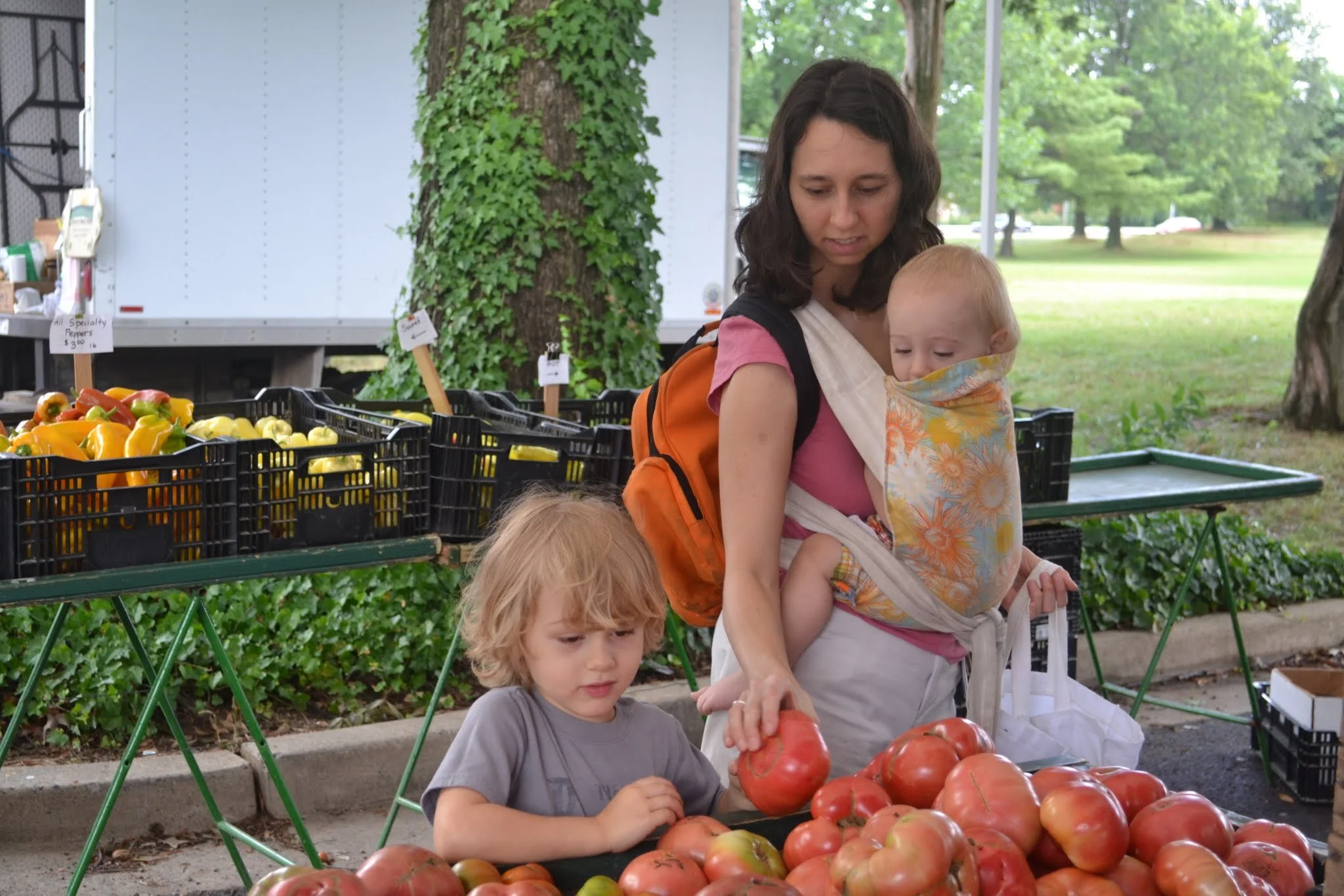
It’s absolutely one of the most encouraging things about doing Montessori at home!
You don't become a confident guide before you begin. You don’t need to know everything. You don’t need specialized training, and you don’t have to think like a school teacher.
You become a Montessori guide for your child one by taking the first step and giving your first lesson using the Montessori method, then learning from the experience.
The Montessori Rhythm that Changes Everything
One of the reasons Montessori can feel so overwhelming at first is that, from the outside, it looks enormous and intense.
There are lessons for Practical Life, Sensorial, Reading, Writing, Mathematics, Physical Science, Life Science, Humankind, Art, Music, and so much more. There are beautiful materials, unfamiliar vocabulary, and books filled with Montessori philosophy.
Honestly, it can feel like joining a community where everyone else already seems fluent in a language you haven't learned yet. People talk about sensitive periods, control of error, normalization, and three period lessons as though everyone knows what those things mean. Meanwhile, you're just hoping someone will tell you where to begin.
The Montessori method is wonderfully rich.
After decades of studying it, teaching it, and creating curriculum to make it accessible to parents, I still find myself learning something new. Dr. Montessori left us an extraordinary body of work, and every time I return to her writings, I notice something I had overlooked before.
Sometimes I think of Montessori as an ocean.
You could spend a lifetime exploring its depths.
But no one begins by swimming across the sea.
You begin by walking to the water's edge.
I find that image comforting because it reminds me that no one is expected to understand everything before they begin. We simply take the next step. Little by little, what once felt unfamiliar begins to feel like home.
The beautiful thing is that your homeschool doesn't have to feel as big as Montessori itself.
Although a complete Montessori homeschool curriculum contains thousands of lessons, your daily work as a guide is surprisingly simple. Most days unfold through the same gentle rhythm, repeated again and again.
You present a lesson with love. You observe your child’s response. You assess what you’ve noticed. Then you plan for the next small step.
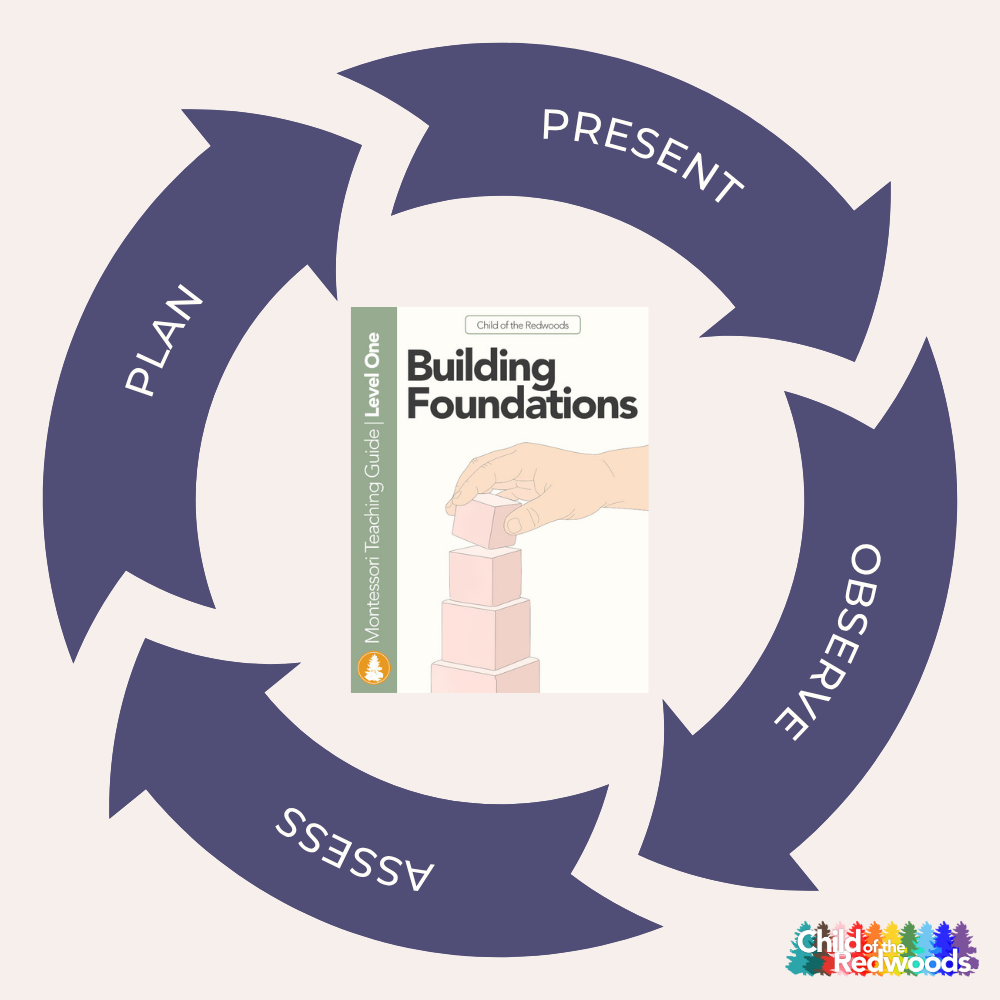
Present, Observe, Assess, and Plan.
That cycle becomes the heartbeat of your homeschool.
It gives you structure without trapping you inside a rigid schedule. It lets you follow your child without floating aimlessly from one idea to the next. That's it.
As you put this into practice, impostor syndrome fades away and a sense of peace settles in its place.
That rhythm is also what makes a Montessori homeschool curriculum with a clear scope and sequence so reassuring. Instead of wondering what to teach next or trying to plan an entire year of lessons, you learn to focus on the child in front of you while trusting that each lesson naturally prepares for the next.
You don't need to carry the whole curriculum in your head.
You simply need to know today's next step in the cycle.
Tomorrow will take care of itself.
Over time, this rhythm becomes second nature. Remember when we talked about your guiding instincts taking over? This is what I meant.
You stop measuring success by how many lessons you've completed and begin measuring it by something much more meaningful.
Is your child curious?
Are they growing in confidence?
Do they have time to wonder, repeat, and share with you in their discoveries?
If the answer is yes, learning is taking place.
And once you've experienced it for yourself, you won’t be asking whether you’re doing enough anymore. You’ll be celebrating what you’re becoming.
What Should a Montessori Homeschool Curriculum Actually Include?
By this point, you may be wondering what makes one Montessori homeschool curriculum different from another.
That's an important question.
When you're first beginning Montessori homeschooling, many resources online can look very similar. One curriculum promises beautiful printable materials. Another emphasizes hands-on activities. A third focuses on Montessori philosophy or shows you how to prepare your home environment.
Each of those things has value.
But after years of teaching Montessori and supporting homeschooling families, I've become convinced that most parents aren't actually looking for a bunch of activities.
They're looking for confidence.
They're hoping to find a Montessori homeschool program that answers the questions they carry every day.
What should I teach?
How do I know what comes next?
What if my child isn't ready?
What if they move more quickly than I expected?
Who can I ask when I get stuck?
A complete Montessori homeschool curriculum should answer all of those questions, not leave you to figure them out on your own.
A clear roadmap for your child's learning.
One of the greatest gifts a curriculum can give a parent is clarity.
Rather than wondering what to teach next or worrying that you've accidentally skipped an important concept, you should be able to see how each lesson connects to the next. A thoughtful developmental progression allows you to focus on the child in front of you instead of carrying the entire curriculum in your head.
This is where a Montessori scope and sequence becomes so valuable. It gives you a clear picture of where you're going while keeping your attention on today's next step.
Lessons that help you teach with confidence.
Knowing what to teach is only part of the picture.
Parents also need support learning how to present new ideas.
Many first time homeschool parents assume they need years of experience before they can confidently teach reading, mathematics, science, or geography. The truth is much gentler than that. Clear lesson presentations help you understand both the purpose of the lesson and how to introduce it naturally, allowing your confidence to grow one lesson at a time.
The flexibility to follow your child.
Montessori has never been about rushing children through a checklist.
A complete curriculum should provide structure without taking away the freedom to follow your child's interests, readiness, and pace of development.
Some children spend weeks joyfully repeating a lesson before moving on. Others surprise us by mastering a concept quickly and asking for something more challenging. A good Montessori homeschool curriculum makes room for both.
The roadmap stays the same.
Your child's journey through it remains beautifully their own.
Guidance for you, not just your child.
One of the biggest misconceptions about homeschooling is that the curriculum exists only to educate your child.
I don't think that's true.
The best Montessori homeschool curriculum also teaches the parent.
As you homeschool, you're learning how to observe more carefully, prepare thoughtful lessons, recognize readiness, and respond with confidence. In many ways, you and your child are growing side by side.
That's why I believe parent education is every bit as important as lesson plans.
Mentorship and a community that lifts you up.
Every homeschooling parent has difficult days.
There will be lessons that don't go as planned, seasons when life interrupts your routine, and moments when you simply need another experienced guide to say, "Yes, that's completely normal."
A curriculum can provide wonderful lessons.
A community provides encouragement.
Having both makes the journey feel so much lighter.
When parents feel supported, they're much more likely to keep going through the ordinary ups and downs of homeschooling. And consistency, far more than perfection, is what helps children thrive.
When I look back at the families I've had the privilege of supporting over the years, I've noticed that their confidence rarely comes from finding the perfect activity or buying one more Montessori material.
It grows because they have a clear path, thoughtful guidance, and the freedom to follow their child along the way.
That's what a complete Montessori homeschool curriculum should provide.
Not more decision-making.
Empowerment.
Finding a Rhythm That Fits Your Family
If there is one thing I've learned from homeschooling, it's that children have their own big, fun ideas about what they should be doing with their time, and life often intervenes in our carefully crafted plans.
Someone wakes up with a fever.
The library books are due.
A grandparent stops by unexpectedly.
Your child becomes completely captivated by earthworms after a rainstorm, and the morning you imagined spending on mathematics turns into an hour of digging in the garden together. Or several days. Or weeks.
Real family life is wonderfully unpredictable.
I think that's one of the reasons so many parents become discouraged when they first begin homeschooling. They spend hours trying to create the perfect schedule, believing that once every hour is carefully planned, everything else will fall into place.
Then life happens.
In Montessori, we don’t fight this. We lock in our basic homeschool rhythm, and make sure that it includes plenty of time for unstructured playtime as well.
In our Foundations courses, we begin this process with an examination of our current routine. What’s working well, we keep. What needs adjustment, we adjust. Eventually we land on a rhythm that is unique but stays true to Montessori principles.
Some children wake up eager to begin meaningful work first thing in the morning. Others need time outside before they're ready to settle in. Some families gather around the kitchen table after breakfast. Others find their best learning happens in the afternoon, once younger siblings are napping.
There isn't one single perfect Montessori schedule.There is only the rhythm that helps your family flourish.
This can feel surprisingly freeing for parents who have been searching for a homeschool curriculum with daily plans and guidance. Many assume that guidance means following a strict timetable from eight o'clock until three.
But rigidity rarely works for real families.
In Montessori, we want enough structure that you always know what comes next, while leaving enough flexibility to follow your child's interests and respond to the things that currently interest them.
That balance is much harder to create on your own than most people expect.
I've watched many well intentioned parents spend late evenings searching the internet for activities, piecing together lesson ideas from blogs, and wondering whether they've accidentally skipped something important. They aren't short on creativity.
They're carrying the entire responsibility of designing a curriculum while also trying to enjoy their children.
That's exhausting!
It also isn't necessary.
After years of supporting homeschooling families, I became convinced that parents who were doing this were on a straight path to burnout. They didn't need more ideas.
They needed a roadmap: a curriculum that removed the constant guessing so they could spend more time observing their child and less time planning tomorrow's lessons.
That's exactly why we created the Child of the Redwoods Montessori homeschool curriculum.
We wanted parents to have the confidence of a clear developmental sequence without feeling locked into a rigid plan. Every lesson builds naturally upon the one before it, so you're never left wondering what to teach next. At the same time, your child is always free to linger, repeat, explore, and move at their own pace.
The curriculum gives you structure.
You and your child bring it to life.
Parents often tell me that the greatest gift isn't simply having the fully scripted lessons.
It's the composure that comes from opening the Teaching Guide and already knowing where they're headed. Instead of spending the evening searching for activities or questioning whether they're doing enough, they can sit down beside their child and enjoy teaching.
That transformation is difficult to describe until you've experienced it yourself.
The mental load becomes lighter, and the constant second guessing begins to fade into the background. You stop trying to invent a Montessori homeschool curriculum from scratch because you're free to do the work that only you can do!
Your time is then spent admiring your beautiful, smartypants, twinkle-eyed child.
Celebrating the breakthroughs.
Making the most of new interests.
Becoming better humans together.
I've always believed that parents were more capable than even they themselves thought when it comes to teaching their children. The gap was support.
The best homeschool curriculum isn't the one with the most lessons or the fanciest materials.
It's the one that helps you become more present with your child.
Because that's where the magic of Montessori has always been.
From Guesswork to Confidence
After years of teaching Montessori, homeschooling my own children, and supporting thousands of families, I began to notice a pattern.
The parents I met weren't struggling because they lacked dedication, education, or intellect. In fact, the parents who came to learn about Montessori homeschooling were overwhelmingly the opposite: highly educated, intensely passionate, and extremely determined.
These were parents who had experienced great amounts of success in other areas of their lives. There was no reason why they should be feeling like impostors, and yet…they still felt uncertain they could do this.
The struggles were because they were carrying too much all at once.
They were trying to understand Montessori philosophy while also creating lesson plans. They were searching for activities late at night, wondering whether they had chosen the right lesson, and worrying that they might accidentally leave out something important.
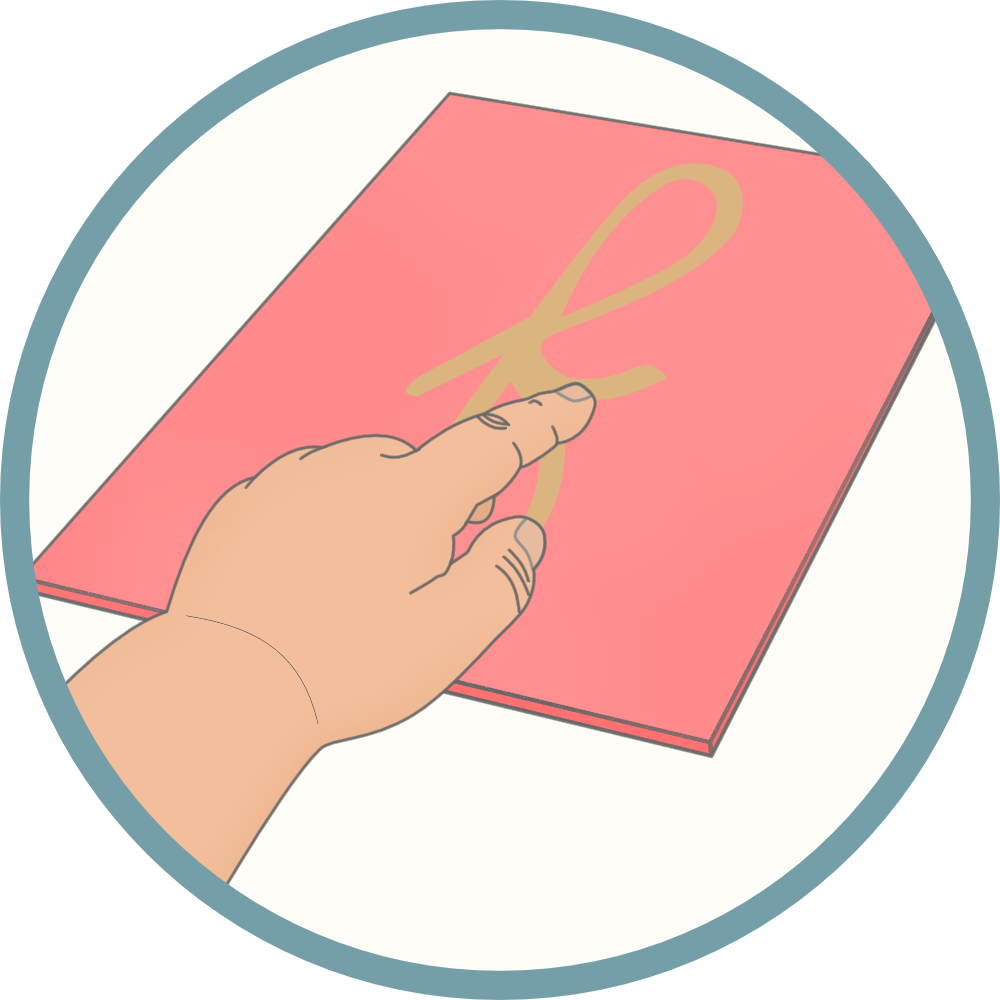
Many had pieced together beautiful ideas from books, blogs, and social media. Often, they had already read or more of Maria Montessori’s own books! Many came to me having already given many practical life lessons, had bought a few of the Sensorial materials, and they were anxious to start teaching reading the Montessori way: with sandpaper letters.
Yet - what all those resources could not provide them was a complete picture.
They didn't have a Montessori homeschool curriculum that showed them how everything fit together.
That's the problem we wanted to solve.
When we created the Child of the Redwoods curriculum, our goal wasn't simply to write lesson plans. We wanted to build a complete Montessori homeschool program that would help parents grow in confidence over time.
And so over seveal years, with lots of feedback and input from real homeschooling parents, we developed a system that shows the complete progression of lessons from easiest to most complex.
The Montessori Teaching Guides organize learning into six developmental levels, allowing your child to move forward according to readiness instead of age. The scope and sequence helps you see the big picture while making today's next lesson wonderfully clear. Planning tools help you keep simple records without creating elaborate systems of your own. The Lesson Explorer gives you an easy way to find exactly the lesson you're looking for whenever curiosity leads your child in a new direction.
Then there are the lessons themselves.
Every lesson has been written with busy homeschooling parents in mind. Instead of wondering how to introduce a new concept, you have clear guidance that helps you feel prepared while still leaving plenty of room to teach in your own natural voice. Just the necessary steps to teach the concept, nothing more.
Just as importantly, we never expected parents to learn Montessori all alone.
Our Foundations of Montessori: Primary and Elementary courses help you understand the method one idea at a time as you're actually using it with your child. Coaching, Office Hours, and our private community give you a place to ask questions, celebrate milestones, and receive encouragement from families who are walking the same path.
I've always believed that Montessori is learned by doing.
You can read every book on the shelf, but there is something profoundly different about presenting a lesson, observing your child, reflecting on what happened, and trying again tomorrow.
That's how you become a Montessori guide: day by day, lesson by lesson.
When parents tell me they've finally found their family’s perfect rhythm and homeschooling is in flow, I know it isn't because they followed a lesson plan perfectly.
It's because they've begun trusting themselves and their child, celebrating the wins rather than constantly worrying.
Those are the qualities that make a wonderful Montessori guide.
Everything else about the Montessori method can be learned, step by step, over time.
FAQ for Beginners
-
Absolutely.
In fact, many of the families in our community had never taught before they began homeschooling. They were looking for a homeschool curriculum for parents with no teaching background, one that would help them understand not only what to teach, but why each lesson mattered.
Teaching is a skill that grows through practice. It is a way of observing, responding to, and respecting your child that becomes more natural with every lesson you give.
You are the perfect person to teach your own child. -
This may be the question I hear more than any other.
The answer isn't to plan an entire year before you begin.
It's to observe your child, understand where they are today, and introduce the next lesson that naturally builds on what they've already learned.
A clear Montessori scope and sequence removes the guesswork while still allowing your child to move at their own pace. If you'd like to learn more about how this works, read our guide to Montessori Scope and Sequence for Homeschool Parents.
-
It’s hard to say exactly. We approach Montessori as a LIFESTYLE, not as a specific time when learning happens. For young children, learning opportunities are everywhere. We find that it’s a lot easier for us to reserve a couple hours every day to be off our phones, not multi-tasking, and just…available to give lessons and follow our children.
The actual lesson-giving will be short, like 10-20 minutes at a time. But your whole day will be full of moments where you connect with your child and help them learn about the world. When you’re really in rhythm, it starts to feel intuitive. You’ll get there! -
No.
Meaningful Montessori learning has never depended on filling your home with expensive materials. Thoughtful observation, meaningful lessons, and a clear progression matter far more than owning everything at once.
Many families begin with simple household items and gradually add materials over time. If cost has been holding you back, you'll enjoy Montessori at Home Without Expensive Materials, where we explore this topic in much greater depth.
-
Sometimes this will happen, and in our experience it usually is because your child is a little nervous that you’ll expect them to do something they aren’t ready for. Stay calm and continue giving lessons. This will soon become routine for both of you.
-
Gosh, yes. Montessori works beautifully for children of all ages because learning is taught by skill level, not age. You can teach a lot of lessons together at the same time and you’ll just modify or extend the activity naturally to suit your children’s needs.
-
If you're asking this question, you're probably already doing more than you realize.
Children don't learn because every day goes perfectly. They grow to their fullest potential because they spend years living alongside adults who invite them into meaningful work, read wonderful books together, answer curious questions, and create a home where learning is part of everyday life.
That's what Montessori has always been about.
You’ve got this. Try out a lesson today.

Your Next Step
When I think back to the younger version of myself, the one who hesitated before calling our family homeschoolers, I wish I could sit beside her for just a moment.
I'd tell her that she didn't need to know everything before she began.
I'd tell her that confidence would come, not all at once, but through the cumulative days, months, and years. It would arrive through silly play and lots of laughter, storytime, downtime, and run-around time. It would be enhanced through making mistakes and learning from them. It would be bolstered by the countless small moments that make up a family life.
Most of all, I'd tell her to trust the process….
Because education is a journey we take with our children. And the opportunities for learning start over every day.
If you're standing at the beginning of your own Montessori homeschooling journey, I hope you'll borrow my confidence until your own begins to grow.
You don't have to figure everything out today.
Just take that next step!
We've designed several membership options to meet you where you are. You'll find fully guided lessons, parent education, planning tools, and a supportive community designed to help you homeschool with confidence from your very first lesson.
Explore our Montessori Homeschool Plans to see which level of guidance is the best fit for your family's journey.